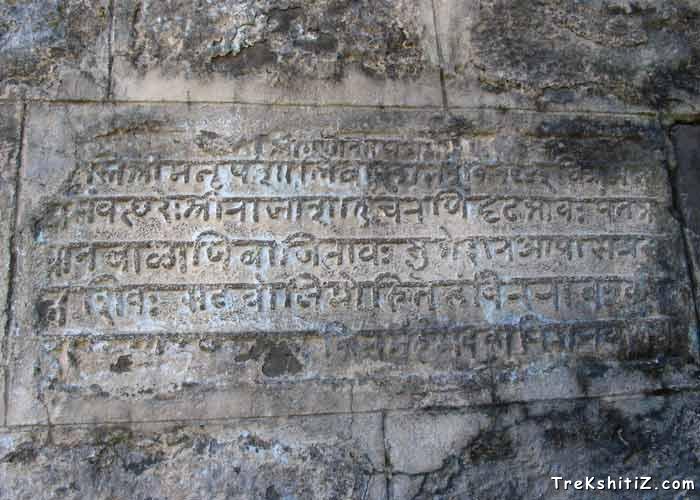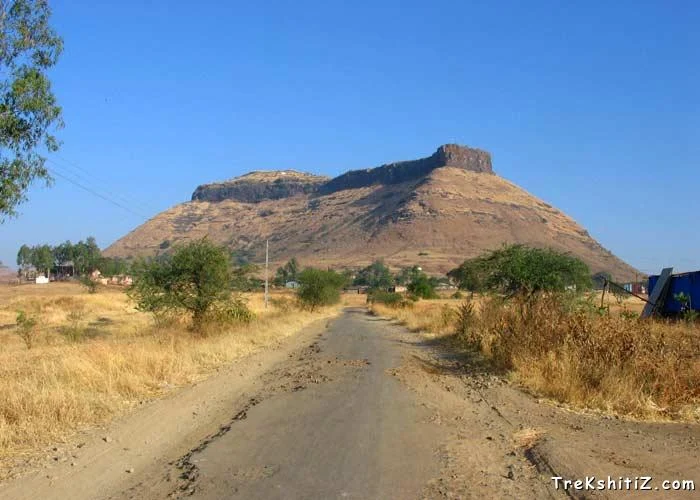
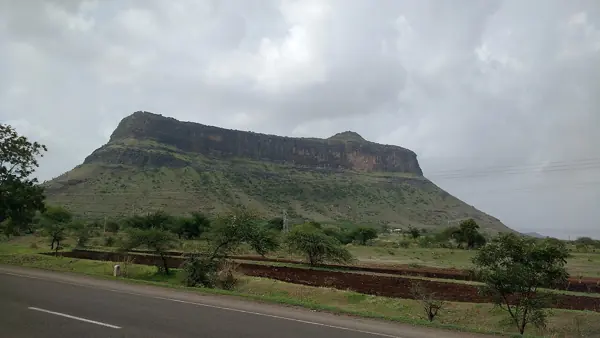
Ramshej — documentary photograph

Nashik / Hill fort

Ramshej

रामशेज

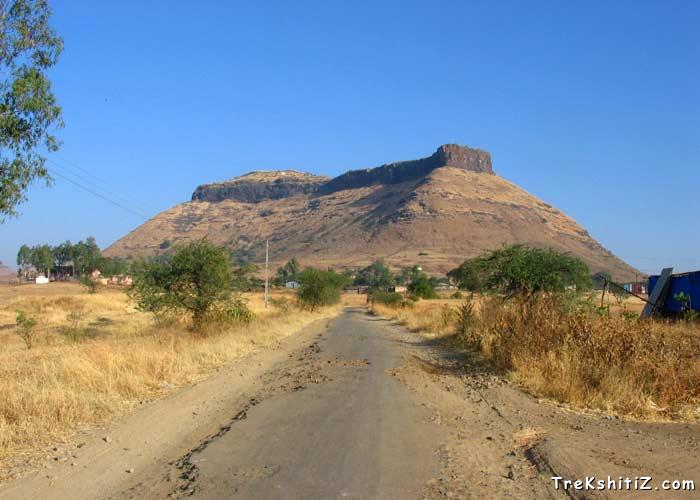
Ramshej is associated with the prolonged defence of the Maratha state during the reign of Chhatrapati Sambhaji Maharaj.

View 5 photographs ↘Documentary photograph
Trekshitiz photo archive; individual photographer not supplied · Original source · Used with permission confirmed by the site owner

YOUR EXPLORATION, AT A GLANCE

Difficulty Not Yet VerifiedMust Visit

Its documented resistance during Chhatrapati Sambhaji Maharaj’s reign gives this small fort exceptional historical interest.

View on map ⌖

District
Nashik
Base / nearby village
Not yet verified
Nearby city
Not yet verified
Source elevation
Not documented

Location evidence needed to compare nearby cities.

THE STORY BEHIND THE STONE

Why Ramshej
matters.

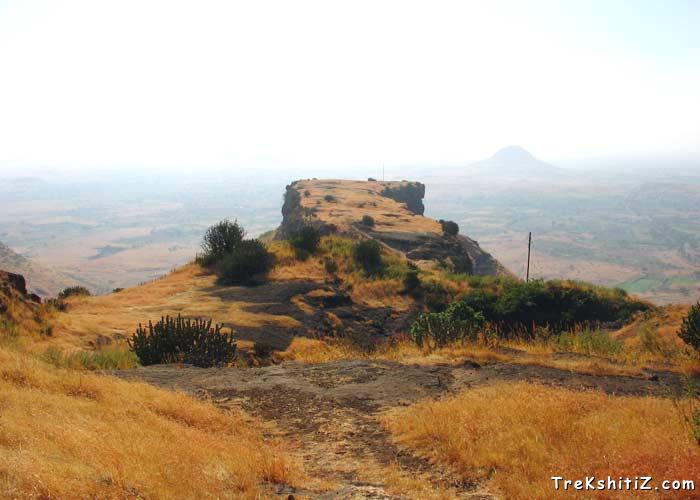
Ramshej is associated with the prolonged defence of the Maratha state during the reign of Chhatrapati Sambhaji Maharaj. Mughal forces attacked the fort from 1682, and the resistance continued across several years. Its relatively compact hill position near Nashik makes this history especially striking. Accounts differ in how they divide the repeated sieges and date the final change of control.

Also known as Ramsej

Rulers & historical periods +

Maratha, Mughal

Recorded possession intervals may omit changes of control. Exact uninterrupted durations are not assumed from a ruler’s reign.

A PLACE WITHIN THE LARGER STORY

Turning points.
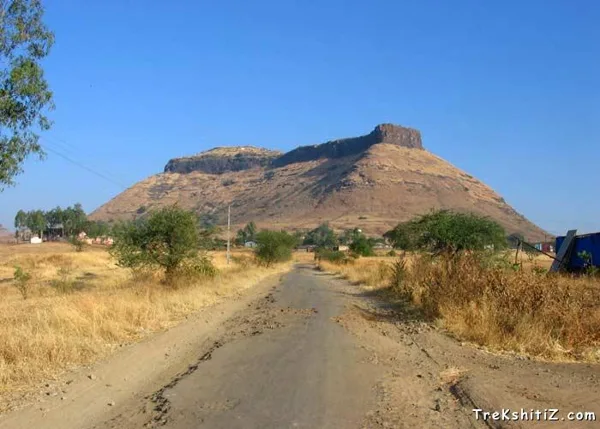
1682
Ramshej — documentary photographExplore Ramshej ↗

Resistance and endurance

The defence of Ramshej

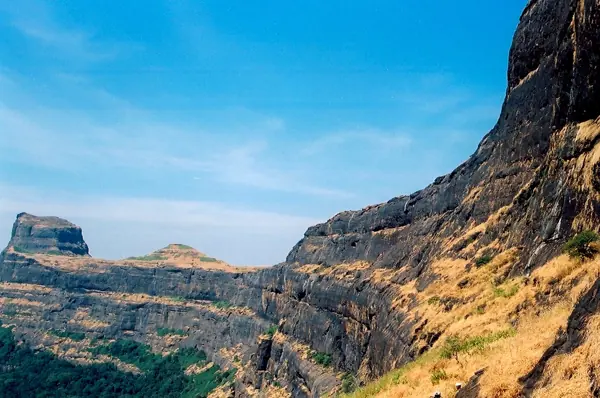
The Sieges of Ramsej were a series of military confrontations between the Maratha Kingdom headed by Sambhaji and the Mughal Empire led by Aurangzeb regarding the control of Ramsej Fort in the Nashik region. Aurangzeb arrived in the Deccan in late 1681 with a strong army to destroy the Maratha Kingdom and the Deccan Sultanates of Bijapur and Golconda. He wanted to capture the forts held by the Marathas in the Nashik and Baglana regions. Hence he decided to begin his Deccan campaign with an attack on Ramsej Fort which is near Nashik. The Mughal forces under Kasim Khan Kirmani captured Ramsej from the Marathas. The defending Maratha forces evacuated the fort. Shivaji's general Peshwa Moropant Pingle had captured Ramsej in the year 1671–72. Since then, it had been a part of the Maratha Kingdom. Ramsej was a fort lying in open lands without excessive forest cover. So, Aurangzeb decided that it would be a good idea to capture an easy fort like Ramsej right at the beginning to increase the morale of his troops.
Read full story

Adapted source account from the linked Wikipedia article (CC BY-SA 4.0). Parenthetical material and citation markers have been omitted.

The Sieges of Ramsej were a series of military confrontations between the Maratha Kingdom headed by Sambhaji and the Mughal Empire led by Aurangzeb regarding the control of Ramsej Fort in the Nashik region. Aurangzeb arrived in the Deccan in late 1681 with a strong army to destroy the Maratha Kingdom and the Deccan Sultanates of Bijapur and Golconda. He wanted to capture the forts held by the Marathas in the Nashik and Baglana regions. Hence he decided to begin his Deccan campaign with an attack on Ramsej Fort which is near Nashik. The Mughal forces under Kasim Khan Kirmani captured Ramsej from the Marathas. The defending Maratha forces evacuated the fort. Shivaji's general Peshwa Moropant Pingle had captured Ramsej in the year 1671–72. Since then, it had been a part of the Maratha Kingdom. Ramsej was a fort lying in open lands without excessive forest cover. So, Aurangzeb decided that it would be a good idea to capture an easy fort like Ramsej right at the beginning to increase the morale of his troops. Ramsej Fort saw the war against the Mughal Empire for six and a half years. The first killedar was Suryaji Jedhe, but after six and a half years, he was transferred and a new killedar was appointed as per the rotation of posts policy of the Maratha Kingdom. In April of 1682, Aurangzeb sent Shahabuddin Khan who attacked the fort with an army of 40,000.
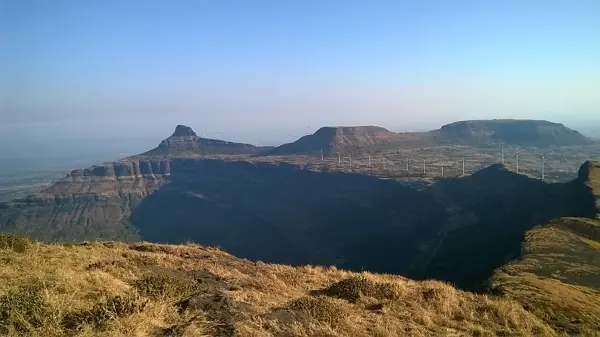
Shahbuddin Khan had vowed to capture the fort with his 40,000 army and strong artillery within a few hours. The Marathas did not succumb to this onslaught. The 600 Maratha soldiers on the fort kept his forces at bay for many months by fierce array of slingshots, lit haystack and huge stones even though they did not have cannons on the fort. Once the Mughal artillery managed to break the fort walls in the evening and they assumed that the fort will be captured easily. But all 600 Marathas on the fort worked for a full night and rebuilt the entire broken section of the wall, much to the despair and awe of the Mughals. Such fierce resistance made the Mughal soldiers believed that the Marathas on the fort knew black magic. The inability of the Mughal Sardar to capture the fort started frustrating Aurangzeb. He raised a wooden platform to storm the fort. Shivaji and his son Sambhaji had a policy of keeping enough ammunition even on the forts having no cannons or guns. Ramshej was no exception and even though it did not have cannons it had sufficient ammunition. The fort commander had an idea and utilised amply available animal skin and wood on the fort to make wooden cannons. Coupled with the ammunition already present on the fort, these wooden cannons started inflicting heavy losses on the Mughal Army. The retaliation from the Marathas was so strong that he left the responsibility to Bahadur Khan Kokaltash and went to Junnar.

Consult the original article and its cited historical works for source evidence and differing interpretations. The timeline date identifies the event or beginning of the period; this account may cover a longer span.

Ramshej ↗

Sources: Siege of Ramsej — historical account and references, Contributor history and attribution, CC BY-SA 4.0 — adapted source extract

READING THE REMAINS

Architecture &
fort features.

Explore features described in the historical source. Their surviving condition and access can vary.

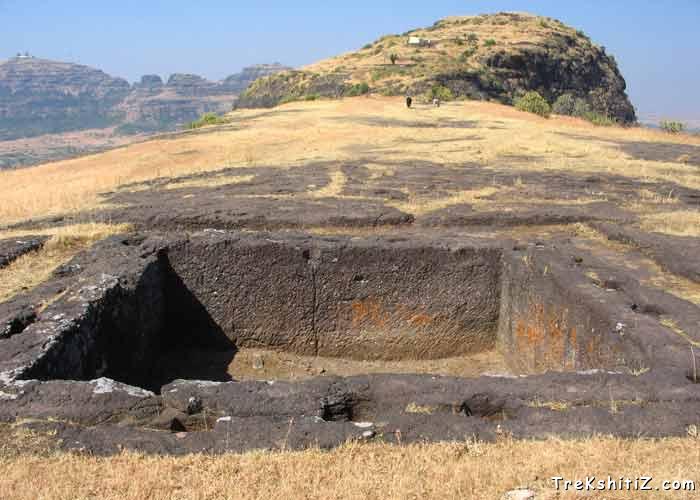
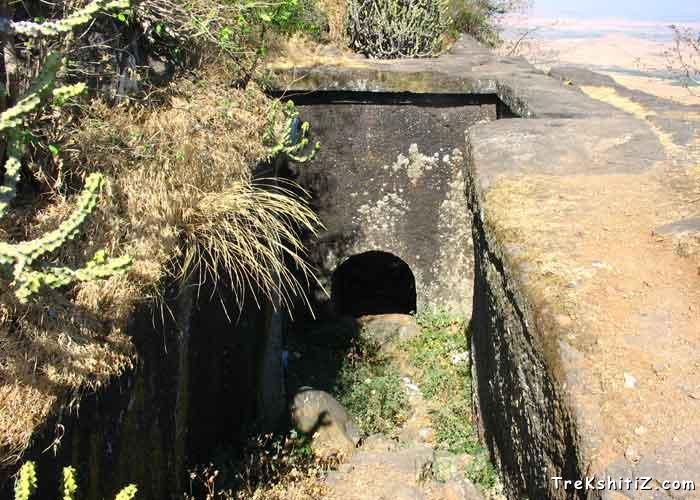
Architectural features await a reliable, fort-specific account.

Feature inventory only. A surveyed top-down plan is not yet available in this guide.

KNOW THE APPROACH

Plan your
exploration.

Difficulty Not Yet Verified
  • A current route assessment has not been verified.

Detailed routes are not verified. Consult the source guide and confirm access locally.

Assessment & safety notes +

Not verified. Insufficient evidence.

Confirm access, weather and the appropriate route locally. Carry water and protect historical remains.

Source review: 2026-11-15. Stars describe route difficulty; recommendations are separate editorial judgements. No community review counts are displayed.

KEEP THE JOURNEY GOING

More of Nashik.

All forts ↗
Research sources & image credits +
  1. Maharashtra Tourism — Nashik and Ramshej ↗
  2. Ramsej Fort — historical account and references ↗

Source review: 2026-11-15. Coordinates: Not verified.

Research approach and credits ↗