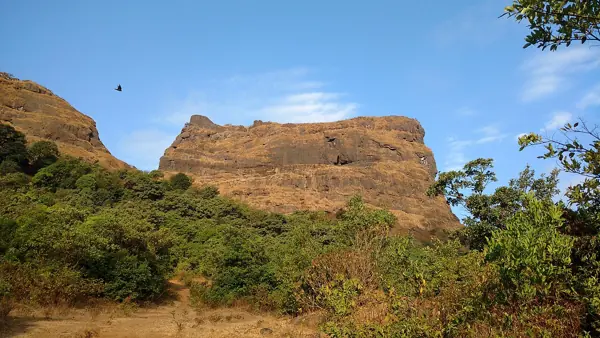
Sinhagad — documentary photograph

Pune / Hill fort

Sinhagad

सिंहगड

The earlier name of this stronghold was Kondhana.

View 9 photographs ↘Documentary photograph
Amit mitkar at English Wikipedia · Original source · CC BY-SA 3.0

YOUR EXPLORATION, AT A GLANCE

EasyRecommended

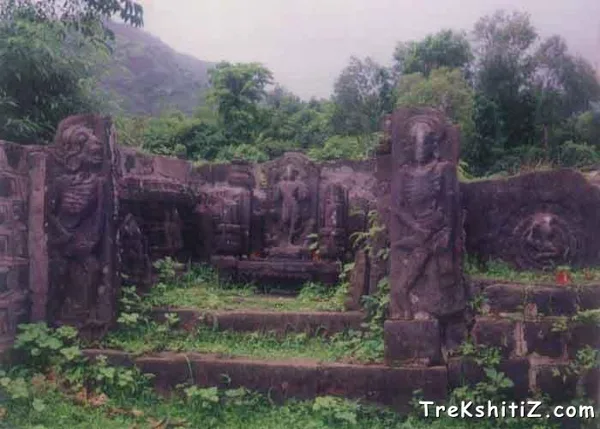
The source describes temple remains, gateways, offering a useful introduction to this fort’s architecture.

View on map ⌖

District
Pune
Base / nearby village
Atkarwadi
Nearby city
Pune
Source elevation
1,317 metres (4,321 ft)

Closest among 11 listed regional hubs by straight-line distance; not road distance. 20 km to the listed city.

THE STORY BEHIND THE STONE

Why Sinhagad
matters.

The earlier name of this stronghold was Kondhana. In 1670, Maratha forces led by Tanaji Malusare captured it in a battle in which he died. The fort’s later history also includes repeated struggles between Maratha and Mughal forces.

Also known as Kondhana

Rulers & historical periods +

Individual ruling powers have not been established in this entry.

Recorded possession intervals may omit changes of control. Exact uninterrupted durations are not assumed from a ruler’s reign.

A PLACE WITHIN THE LARGER STORY

Turning points.
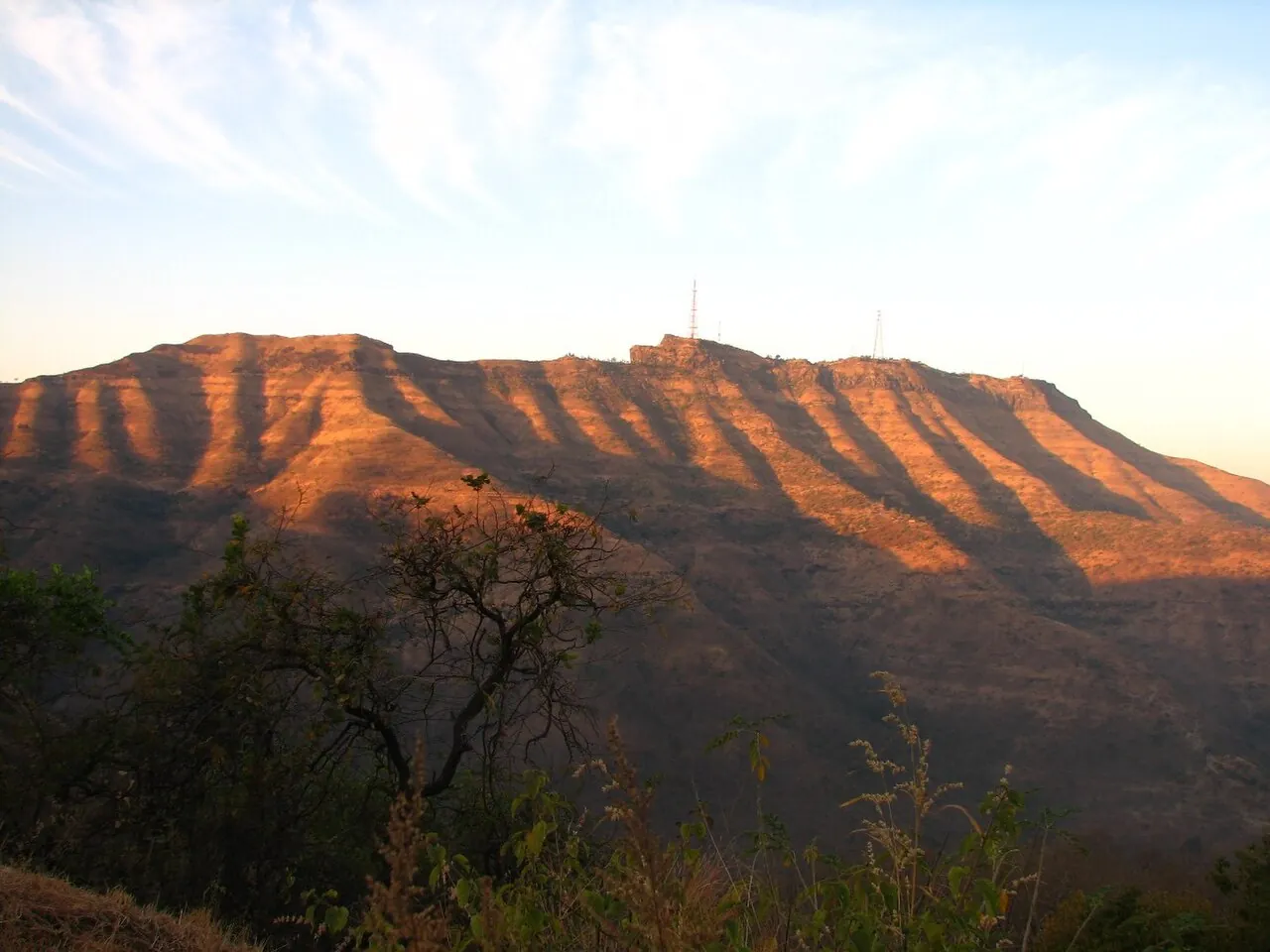
1670
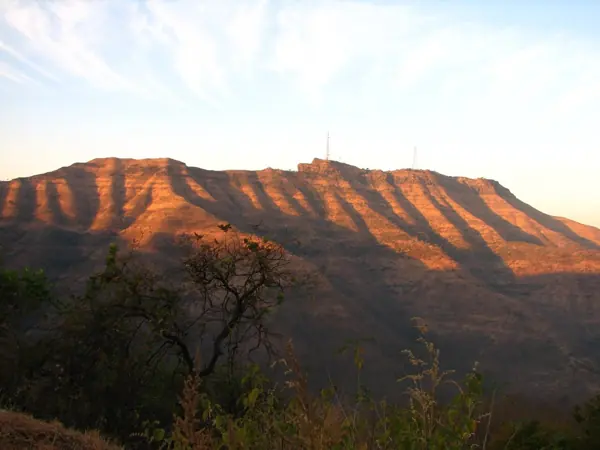
Sinhagad — documentary photographExplore Sinhagad ↗

The kingdom takes shape

Sinhagad and the service of Tanaji Malusare

Sinhagad was historically known as Kondhana. The fort passed to the Mughals under the settlement of 1665. Maratha forces sought to recover it in 1670. Tanaji Malusare led the best-known assault on the stronghold. He died during the battle. The Maratha forces secured the fort. Suryaji Malusare is also associated with the successful operation. The episode became an enduring part of Maharashtra’s historical memory. The memorials on the fort honour service and sacrifice. Sinhagad also has a long history before and after this battle.
Read full story

Kondhana, now widely known as Sinhagad, occupies a prominent height southwest of Pune. Its position made it a valuable stronghold for controlling the surrounding approaches. The fort had a history under several powers before the events for which it is most familiar today. Following the settlement at Purandar in 1665, it came into Mughal possession. The Maratha attempt to recover it in 1670 formed part of a wider renewal of operations to regain strategic forts.

Tanaji Malusare led the assault and died in the fighting. The Maratha forces nevertheless captured the fort, with Suryaji Malusare also associated with the operation. These are the central historical points behind a story that has since been retold in poetry, performance, film and local memory. The courage remembered at Sinhagad is inseparable from the cost borne by its participants and their families.

Popular versions often include a trained monitor lizard and memorable words attributed to Chhatrapati Shivaji Maharaj. Such elements belong to the history of the story’s transmission and should be identified as tradition when discussed. A source-based visitor account does not need to present every later detail as independently established fact. The documented capture and Tanaji’s death already explain why the event carries such emotional importance.

The fort offers more than a battlefield narrative. Its gates, water features and memorials allow visitors to consider daily survival and the changing uses of a defended hill. The memorial of Chhatrapati Rajaram Maharaj connects Sinhagad to the later Maratha struggle as well. Reading these layers together prevents the entire site from being compressed into one night in 1670. It also gives appropriate space to the many people who maintained, defended and lived around the fort across different periods.

Sinhagad ↗

Sources: Pune District — Sinhagad, Poona Gazetteer — Sinhagad and its historical remains, Sinhagad — historical account and references

READING THE REMAINS

Architecture &
fort features.

Explore features described in the historical source. Their surviving condition and access can vary.

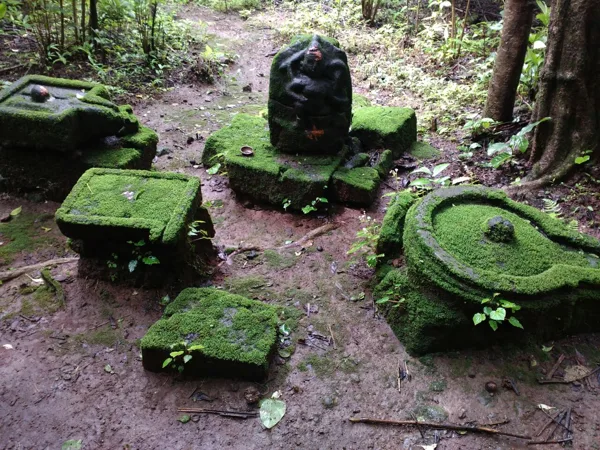
01Temple remains +

Temple remains is recorded in the linked account of Sinhagad. Explore the historical sources ↗

02Gateways +

Gateways is recorded in the linked account of Sinhagad. Explore the historical sources ↗

Feature inventory only. A surveyed top-down plan is not yet available in this guide.

KNOW THE APPROACH

Plan your
exploration.

Easy
  • The source assigns this grade but does not provide enough route detail to explain individual obstacles.

Detailed routes are not verified. Consult the source guide and confirm access locally.

Assessment & safety notes +

Approach described in the linked field guide. Provisional — source guide, current conditions unverified.

Check current local access and weather before travelling. Carry water, use established routes, and leave stonework undisturbed. A map pin identifies the monument, not a safe trailhead or landing point.

Source review: 2026-11-15. Stars describe route difficulty; recommendations are separate editorial judgements. No community review counts are displayed.

KEEP THE JOURNEY GOING

More of Pune.

All forts ↗

MAHARASHTRA TOURISM · BROCHURE GUIDE

Sinhagad: heritage & nearby places

Sinhagad, also known as Kondhana, commemorates the sacrifice of Tanaji Malusare and the Maratha assault on the fort. Its hilltop position, gates and memorials make it a key heritage excursion from Pune.

Landmarks to look for

  • Tanaji Malusare memorial
  • Kaundinyeshwar Temple
  • Kalyan Darwaza
  • Watchtowers and bastions
  • Underground water reservoirs
Travel distances from the brochure

Distances are reproduced as brochure figures, not current measured routes. The brochure is undated. Confirm routes and access locally.

By air
Pune 40 km
By rail
Pune 35 km
By road
Pune 40 km; Mumbai 190 km

Source clarification: The popular “Gad aala, pan Sinha gela” saying and renaming story are traditions; the brochure’s suggestion that Tanaji fought alone is not adopted.

Adapted from Maharashtra Tourism, Guardians of History — The formidable forts of Maharashtra, PDF pages 6. Read the original PDF ↗ · Explore all brochure forts ↗

Research sources & image credits +
  1. Sinhagad — history, geographical facts and references ↗
  2. Trekshitiz — field guide and source trek information ↗

Source review: 2026-11-15. Coordinates: Source-referenced.

Research approach and credits ↗