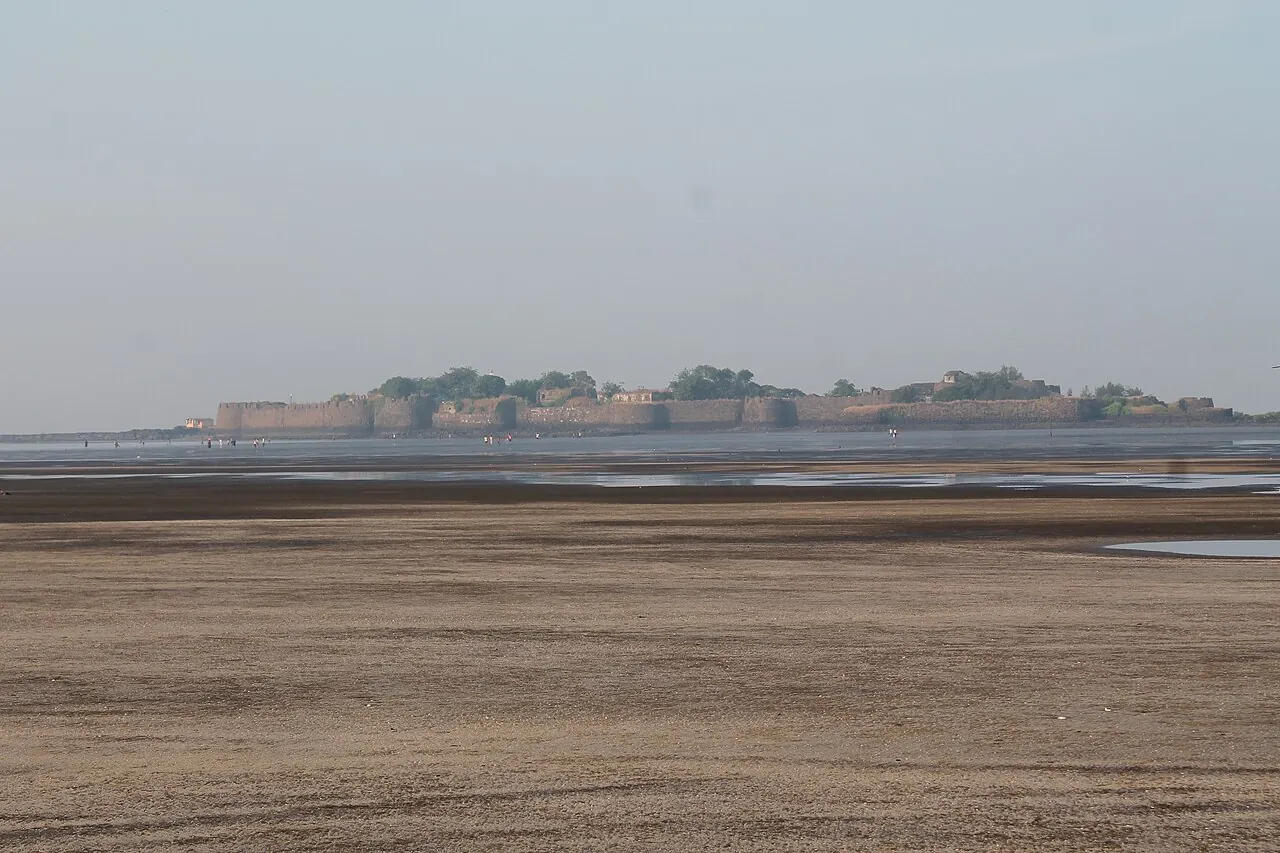
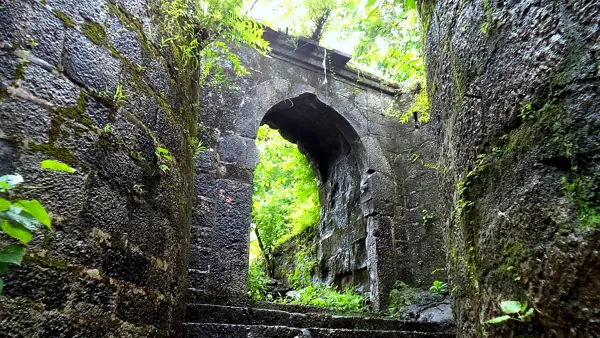
Kolaba Fort — documentary photograph

Raigad / Sea fort

Kolaba Fort

Kolaba stands off Alibag and became an important base for Maratha naval operations.

View 1 photographs ↘Documentary photograph
Chirag Upadhyay · Original source · CC BY-SA 4.0

YOUR EXPLORATION, AT A GLANCE

Difficulty Not Yet VerifiedMust Visit

The historical account and surviving feature descriptions offer a substantial heritage study visit.

View on map ⌖

District
Raigad
Base / nearby village
Not yet verified
Nearby city
Mumbai
Source elevation
sea level

Closest among 11 listed regional hubs by straight-line distance; not road distance. 49 km to the listed city.

THE STORY BEHIND THE STONE

Why Kolaba Fort
matters.

Kolaba stands off Alibag and became an important base for Maratha naval operations. It is closely associated with Kanhoji Angre. Its position in tidal waters shaped both access to the fort and its defensive value.

The historical source discusses Shivaji Maharaj; see the linked account for the specific episode.

Rulers & historical periods +

Maratha, Portuguese, British / East India Company

Recorded possession intervals may omit changes of control. Exact uninterrupted durations are not assumed from a ruler’s reign.

A PLACE WITHIN THE LARGER STORY

Turning points.
1664–1667
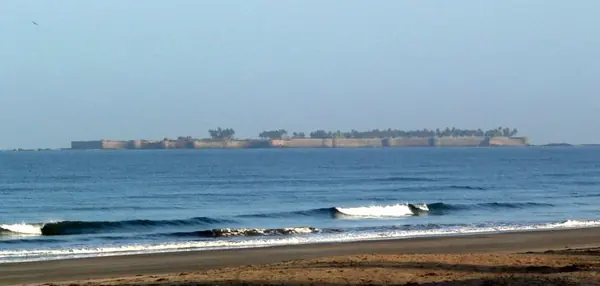
Sindhudurg Fort — documentary photographExplore Sindhudurg Fort ↗

The kingdom takes shape

Sindhudurg and the maritime vision of Swarajya

Chhatrapati Shivaji Maharaj recognised the strategic importance of the coast. Sindhudurg was built on an island off Malvan. Construction began in 1664 and continued until 1667. Hiroji Indulkar is associated with the work’s supervision. The island position made sea access part of its defence. Its walls and gateways were designed for a maritime setting. Coastal strongholds supported naval activity and the protection of shore routes. Vijaydurg, Suvarnadurg and Kolaba belonged to the wider maritime story. Later Maratha naval leaders continued to use and develop coastal bases. Sindhudurg shows that Swarajya’s strategic vision extended beyond the mountains.
Read full story

Sindhudurg stands off Malvan on an island chosen for a major new coastal fortification under Chhatrapati Shivaji Maharaj. Construction began in 1664 and was completed in 1667. The undertaking is associated with the supervision of Hiroji Indulkar. Its scale and setting show the importance assigned to the western seaboard: the Maratha state sought to maintain a presence in a maritime world where local powers and European trading companies contested influence.

An island fort presented different problems from a hilltop stronghold. Materials and labour had to reach the site by water, and its garrison needed dependable supplies. The approaches from the sea, the placement of gateways and the relationship between the walls and surrounding rocks all formed part of the defensive setting. Sindhudurg therefore provides an opportunity to study engineering and logistics alongside the history of kings and campaigns.

The fort should also be read as one part of a longer coastline. Vijaydurg, Suvarnadurg and Kolaba had their own histories and did not all begin in the same construction programme. Together, however, these places reveal the development of bases from which coastal authority and naval activity could be maintained. Later Maratha naval leaders, including Kanhoji Angre and his successors, added another important chapter to that story.

The maritime vision did not remove rivalry or make every expedition successful. Coastal warfare involved changing alliances, difficult navigation and competing control of harbours and shipping. Recognising those complexities makes the achievement of building and maintaining Sindhudurg more understandable. For a visitor today, the fort’s importance lies in the connection it makes between Swarajya, the labour of coastal communities and the technical demands of defence at sea. Its heritage deserves the same care as the better-known mountain capitals.

Sindhudurg Fort ↗Vijaydurg Fort ↗Suvarnadurg ↗Kolaba Fort ↗

Sources: Maharashtra Tourism — Sindhudurg, Sindhudurg District — historical background, UNESCO — Maratha Military Landscapes, Sindhudurg Fort — references

READING THE REMAINS

Architecture &
fort features.

Explore features described in the historical source. Their surviving condition and access can vary.

01Bastions +

Bastions is recorded in the linked account of Kolaba Fort. Explore the historical sources ↗

02Temple remains +

Temple remains is recorded in the linked account of Kolaba Fort. Explore the historical sources ↗

03Water tanks +

Water tanks is recorded in the linked account of Kolaba Fort. Explore the historical sources ↗

Feature inventory only. A surveyed top-down plan is not yet available in this guide.

KNOW THE APPROACH

Plan your
exploration.

Difficulty Not Yet Verified
  • Reliable route evidence is insufficient for a numerical rating.

Detailed routes are not verified. Consult the source guide and confirm access locally.

Assessment & safety notes +

Not verified. Insufficient evidence.

Check current local access and weather before travelling. Carry water, use established routes, and leave stonework undisturbed. A map pin identifies the monument, not a safe trailhead or landing point.

Source review: 2026-11-15. Stars describe route difficulty; recommendations are separate editorial judgements. No community review counts are displayed.

KEEP THE JOURNEY GOING

More of Raigad.

All forts ↗
Research sources & image credits +
  1. Kolaba Fort — history, geographical facts and references ↗

Source review: 2026-11-15. Coordinates: Source-referenced.

Research approach and credits ↗