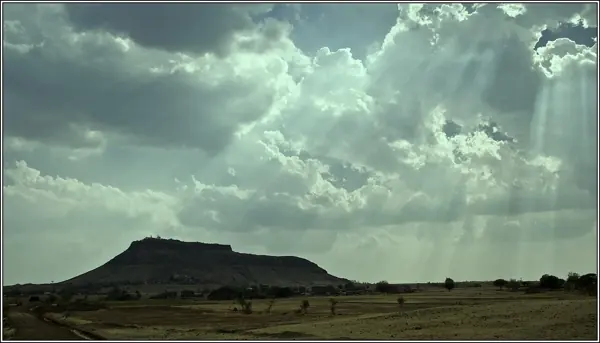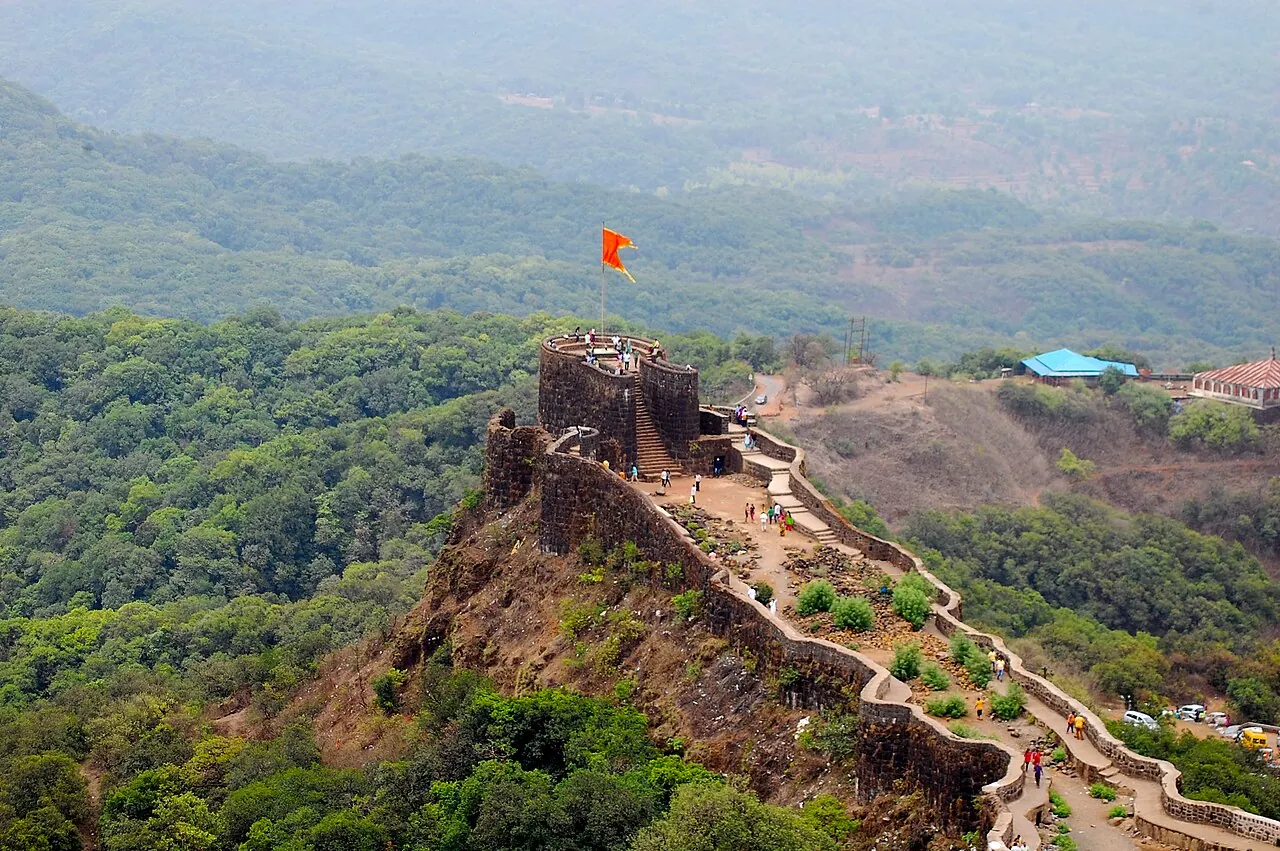
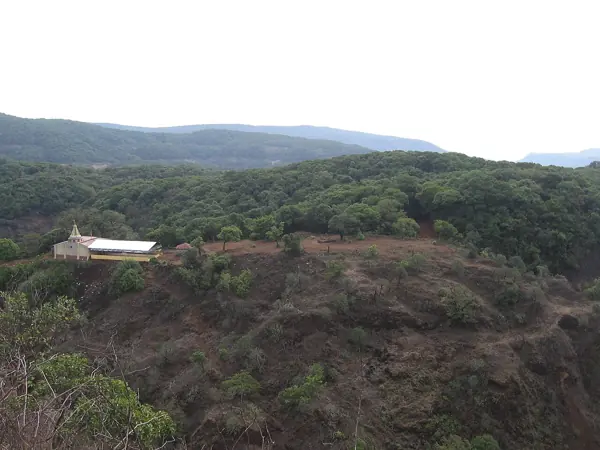
Pratapgad — documentary photograph

Satara / Hill fort

Pratapgad

प्रतापगड

Shivaji Maharaj commissioned Pratapgad above the routes of the Jawali region.

View 9 photographs ↘Documentary photograph
Neeraj Rane · Original source · CC BY-SA 4.0

YOUR EXPLORATION, AT A GLANCE

EasyMost Recommended

Its documented role in the Maratha fort network gives it exceptional educational and historical value.

View on map ⌖

District
Satara
Base / nearby village
Not yet verified
Nearby city
Satara
Source elevation
3543 feet

Closest among 11 listed regional hubs by straight-line distance; not road distance. 55 km to the listed city.

THE STORY BEHIND THE STONE

Why Pratapgad
matters.

Shivaji Maharaj commissioned Pratapgad above the routes of the Jawali region. The meeting and conflict with Afzal Khan in 1659 made the site central to the early history of Maratha expansion.

The fort above the Par Pass +

Chhatrapati Shivaji Maharaj commissioned Pratapgad in 1656 to strengthen control of the Par Pass and the surrounding region. The confrontation with Afzal Khan on 10 November 1659 made it a decisive place in the early growth of Maratha power. Understanding the fort’s position above the valleys helps explain its strategic purpose.

Upper and lower fortified sections provided different defensive positions on the hill. Gateways, bastions and the Bhavani Temple remain important points of interest. The fort’s military history and sacred associations should be distinguished: devotional traditions belong to the site’s living heritage, while claims about specific events require historical evidence.

Research source: Maharashtra Tourism — Pratapgad · Reviewed 2026-11-15

Rulers & historical periods +

Individual ruling powers have not been established in this entry.

Maratha Empire (1656-1818) United Kingdom East India Company (1818-1857) India (1857-1947) India (1947-present) (source infobox; intervals are approximate and may omit changes of possession)

Recorded possession intervals may omit changes of control. Exact uninterrupted durations are not assumed from a ruler’s reign.

A PLACE WITHIN THE LARGER STORY

Turning points.
10 November 1659
Pratapgad — documentary photographExplore Pratapgad ↗

Foundations of Swarajya

Pratapgad: a decisive encounter

Chhatrapati Shivaji Maharaj commissioned Pratapgad in 1656. The fort guarded a strategic mountain landscape near the Par pass. Bijapur sent the commander Afzal Khan against the growing Maratha power. The two leaders met below the fort on 10 November 1659. Afzal Khan died during their violent confrontation. Fighting between the opposing forces followed the encounter. The Maratha victory strengthened Chhatrapati Shivaji Maharaj’s position. The episode made Pratapgad central to the memory of Swarajya. Its significance includes preparation, terrain and organised command. The fort preserves a history larger than the famous meeting alone.
Read full story

Pratapgad was completed in 1656 under Chhatrapati Shivaji Maharaj’s direction, with Moropant Pingle overseeing its construction. Its location helped secure access between the uplands and the Konkan, including the approaches around the Par pass. The choice of position matters: the fort occupied a landscape of wooded slopes, narrow routes and commanding heights. Three years later this newly established stronghold became the setting for one of the best-known episodes in early Maratha history.

Afzal Khan, a senior commander of the Bijapur sultanate, advanced against Chhatrapati Shivaji Maharaj. A meeting was arranged below Pratapgad on 10 November 1659. The encounter turned violent and Afzal Khan was killed. Subsequent fighting ended in a Maratha victory. Accounts differ in their detailed presentation of the meeting, so a visitor guide should separate these well-established events from dramatic dialogue and reconstructed gestures that cannot be independently checked.

The result increased the standing of Chhatrapati Shivaji Maharaj and altered the balance of the campaign. It also illustrates how a fort, its approaches and forces outside its walls could work together. The engagement cannot be explained only by the height of the masonry. Preparation, the placement of troops and knowledge of local terrain were equally important parts of the wider military setting.

Today the fort, its Bhavani temple and the commemorative landscape invite several kinds of attention. Visitors can honour the achievements of Chhatrapati Shivaji Maharaj while also studying the physical organisation of the site and the different historical sources. Respect for the past is strengthened by that distinction: the human decisions and strategic setting are compelling without invented speeches, unsupported casualty totals or claims that every surviving structure dates to the same year.

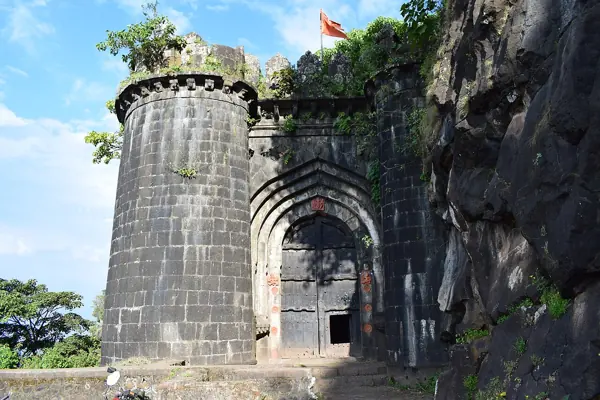
Pratapgad ↗

Sources: Satara District — Pratapgad, Satara Gazetteer — Pratapgad history and defences, Satara Gazetteer — seventeenth-century history

READING THE REMAINS

Architecture &
fort features.

Explore features described in the historical source. Their surviving condition and access can vary.

01Temple remains +

Temple remains is recorded in the linked account of Pratapgad. Explore the historical sources ↗

02Ramparts +

Ramparts is recorded in the linked account of Pratapgad. Explore the historical sources ↗

Feature inventory only. A surveyed top-down plan is not yet available in this guide.

KNOW THE APPROACH

Plan your
exploration.

Easy
  • The source assigns this grade but does not provide enough route detail to explain individual obstacles.

Detailed routes are not verified. Consult the source guide and confirm access locally.

Assessment & safety notes +

Approach described in the linked field guide. Provisional — source guide, current conditions unverified.

Check current local access and weather before travelling. Carry water, use established routes, and leave stonework undisturbed. A map pin identifies the monument, not a safe trailhead or landing point.

Source review: 2026-11-15. Stars describe route difficulty; recommendations are separate editorial judgements. No community review counts are displayed.

KEEP THE JOURNEY GOING

More of Satara.

All forts ↗

MAHARASHTRA TOURISM · BROCHURE GUIDE

Pratapgad: heritage & nearby places

Pratapgad is closely associated with Chhatrapati Shivaji Maharaj and the confrontation with Afzal Khan. Upper and lower defences, the Bhavani temple and its position above the surrounding valleys explain its military and cultural importance.

Landmarks to look for

  • Double fortifications
  • Tulja Bhavani Temple
  • Upper and lower fort
  • Mahadeva Temple

Places in the wider area

  • Afzal Khan tomb
  • Pratapgad Museum

Brochure activity ideas: Explore both levels and the temples.

Travel distances from the brochure

Distances are reproduced as brochure figures, not current measured routes. The brochure is undated. Confirm routes and access locally.

By air
Karad 125 km; Pune 148 km; Mumbai 224 km
By rail
Satara 82 km; Pune 142 km; Sangli 198 km; Miraj 210 km
By road
Satara 81 km; Pune 140 km; Mumbai 221 km

Source clarification: The brochure gives construction as 1656–1658; the existing sourced chronology remains available separately.

Adapted from Maharashtra Tourism, Guardians of History — The formidable forts of Maharashtra, PDF pages 5. Read the original PDF ↗ · Explore all brochure forts ↗

Research sources & image credits +
  1. Pratapgad — history, geographical facts and references ↗
  2. Trekshitiz — field guide and source trek information ↗
  3. Maharashtra Tourism — Pratapgad ↗

Source review: 2026-11-15. Coordinates: Source-referenced.

Research approach and credits ↗