THE STORY BEHIND THE STONE
Why Pratapgad
matters.
Shivaji Maharaj commissioned Pratapgad above the routes of the Jawali region. The meeting and conflict with Afzal Khan in 1659 made the site central to the early history of Maratha expansion.
The fort above the Par Pass +
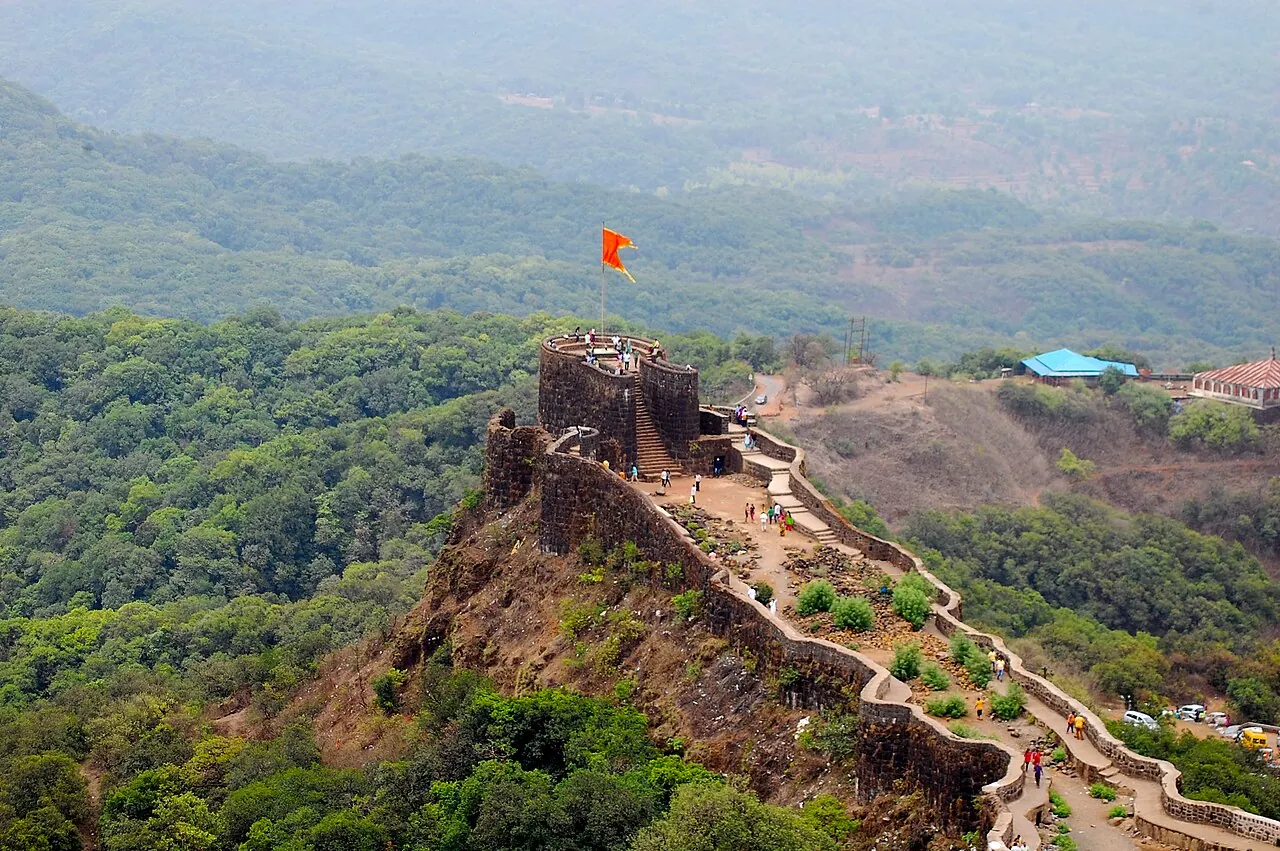
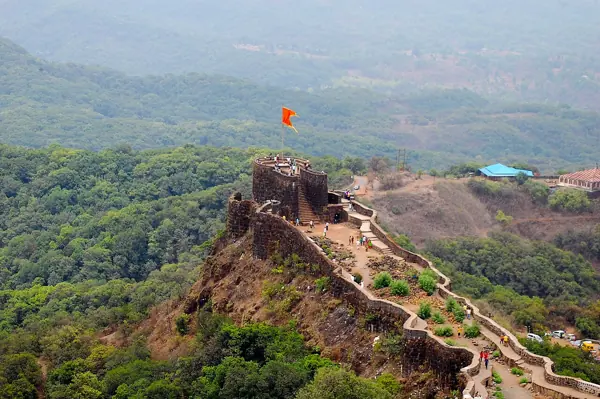
Chhatrapati Shivaji Maharaj commissioned Pratapgad in 1656 to strengthen control of the Par Pass and the surrounding region. The confrontation with Afzal Khan on 10 November 1659 made it a decisive place in the early growth of Maratha power. Understanding the fort’s position above the valleys helps explain its strategic purpose.
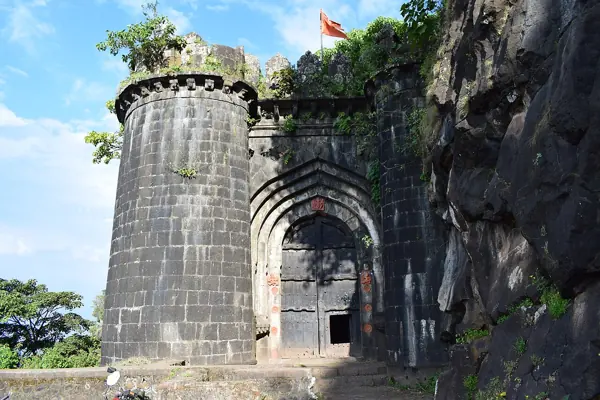
Upper and lower fortified sections provided different defensive positions on the hill. Gateways, bastions and the Bhavani Temple remain important points of interest. The fort’s military history and sacred associations should be distinguished: devotional traditions belong to the site’s living heritage, while claims about specific events require historical evidence.
Research source: Maharashtra Tourism — Pratapgad · Reviewed 2026-11-15
Rulers & historical periods +
Individual ruling powers have not been established in this entry.
Maratha Empire (1656-1818) United Kingdom East India Company (1818-1857) India (1857-1947) India (1947-present) (source infobox; intervals are approximate and may omit changes of possession)
Recorded possession intervals may omit changes of control. Exact uninterrupted durations are not assumed from a ruler’s reign.
A PLACE WITHIN THE LARGER STORY
Turning points.
 Explore Pratapgad ↗
Foundations of Swarajya
Pratapgad: a decisive encounter
Chhatrapati Shivaji Maharaj commissioned Pratapgad in 1656. The fort guarded a strategic mountain landscape near the Par pass. Bijapur sent the commander Afzal Khan against the growing Maratha power. The two leaders met below the fort on 10 November 1659. Afzal Khan died during their violent confrontation. Fighting between the opposing forces followed the encounter. The Maratha victory strengthened Chhatrapati Shivaji Maharaj’s position. The episode made Pratapgad central to the memory of Swarajya. Its significance includes preparation, terrain and organised command. The fort preserves a history larger than the famous meeting alone.