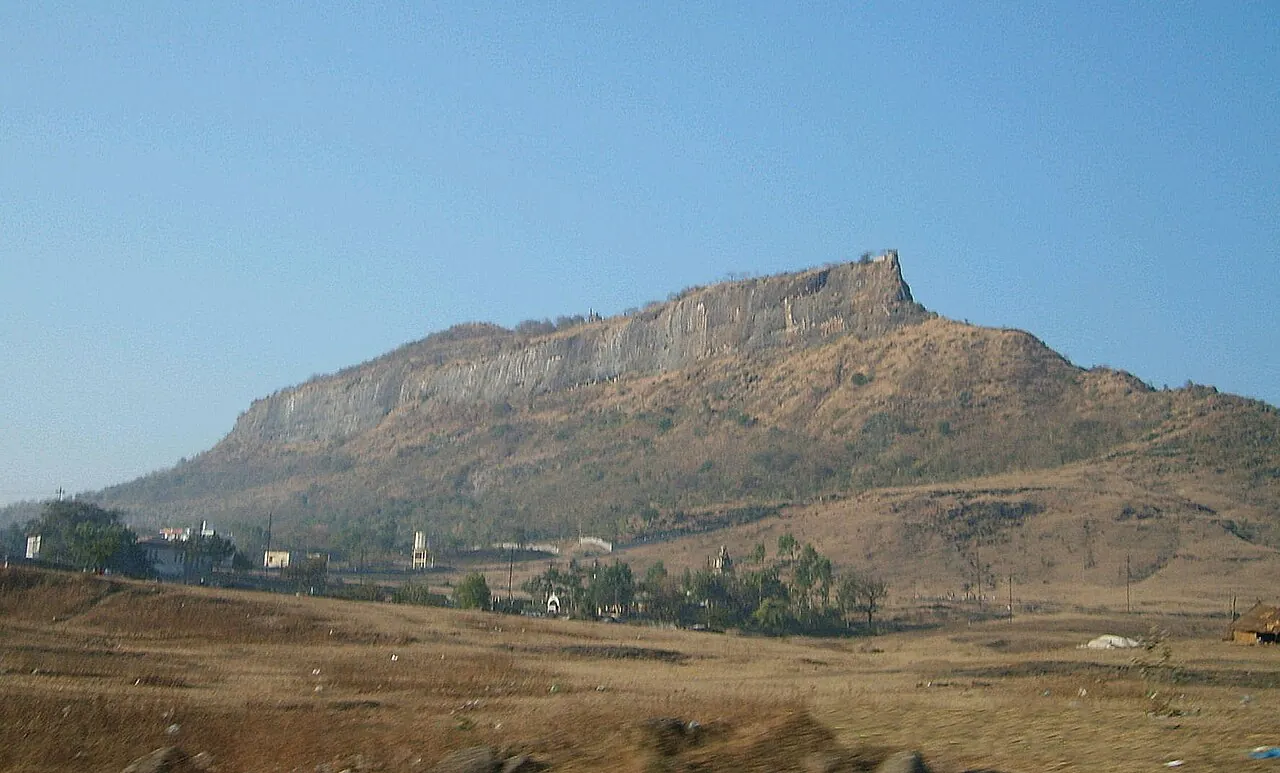
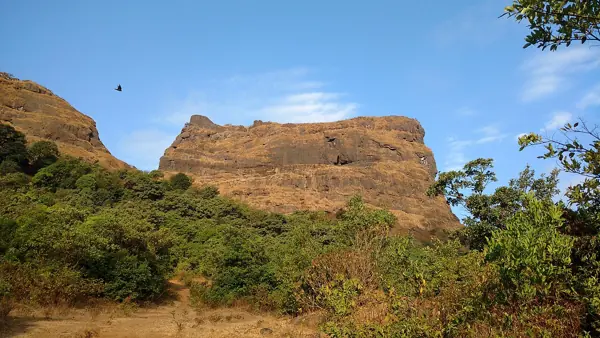
Shivneri — documentary photograph

Pune / Hill fort

Shivneri

शिवनेरी

Shivneri is the birthplace of Chhatrapati Shivaji Maharaj.

View 9 photographs ↘Documentary photograph
Milind.dumbare at English Wikipedia · Original source · Public domain

YOUR EXPLORATION, AT A GLANCE

ModerateMost Recommended

Its documented role in the Maratha fort network gives it exceptional educational and historical value.

View on map ⌖

District
Pune
Base / nearby village
Not yet verified
Nearby city
Pune
Source elevation
3500 ft (field-guide source)

Closest among 11 listed regional hubs by straight-line distance; not road distance. 75 km to the listed city.

THE STORY BEHIND THE STONE

Why Shivneri
matters.

Shivneri is the birthplace of Chhatrapati Shivaji Maharaj. The fort guards the area around Junnar, a settlement with a much older commercial and political history. Its sequence of gates shows the value of defence in depth.

A birthplace protected by successive gateways +

Chhatrapati Shivaji Maharaj was born at Shivneri on 19 February 1630. The fort above Junnar is closely connected with Rajmata Jijabai and Shahaji Raje. Its place in Maratha memory comes from this association with the beginning of his life, rather than from being a later capital of Swarajya.

Steep sides and a sequence of seven gateways shape the approach. The Shivai Devi shrine and surviving water-storage structures connect the military setting with religious and everyday life. Maharashtra Tourism describes rocky ground and warns that rainy-season paths can be slippery; present access and the chosen route should still be checked locally.

Research source: Maharashtra Tourism — Shivneri · Reviewed 2026-11-15

The historical source discusses Shivaji Maharaj; see the linked account for the specific episode.

Rulers & historical periods +

Yadava, Bahmani, Nizam Shahi, Maratha, British / East India Company

Yadava dynasty Delhi SultanateBahmani Sultanate Ahmadnagar Sultanate Maratha Kingdom Mughal Empire Company Raj (1820–1858) Indian Empire (1858–1947) Dominion of India (1947–1950) Republic of India (1950–present) (source infobox; intervals are approximate and may omit changes of possession)

Recorded possession intervals may omit changes of control. Exact uninterrupted durations are not assumed from a ruler’s reign.

A PLACE WITHIN THE LARGER STORY

Turning points.
1598 · life and context
Shivneri — documentary photographExplore Shivneri ↗

The Deccan before Swarajya

Jijabai and the Bhonsle household

Jijabai, was the mother of Chhatrapati Shivaji Maharaj, founder of the Maratha Kingdom. She was a daughter of Lakhuji Jadhav of Sindkhed Raja. He belonged to the lineage of Devagiri Yadavas. Jijabai was born on 12 January 1598, to Mhalasabai Jadhav and Lakhuji Jadhav at Sindkhed Raja in present-day Buldhana district of Maharashtra. Jijabai was married at an early age to Shahaji, son of Maloji Bhosale of Verul village, a military commander serving under the Ahmadnagar Sultanate. She was a skilled horse rider, sword fighter, academician and administrator. Scholar James Laine states that Shivaji Maharaj was imbued with the dream of re-establishing a Hindu kingdom by his mother, Jijabai, whose ancestors the Yadavas held the sovereignty of the Deccan for 150 years pre Islamic invasions. She taught him the nuances of tactics, administration and politics right from an early age. She died on 17 June 1674 at Pachad village near Raigad Fort. This was only eleven days after the coronation of Chhatrapati Shivaji Maharaj.
Read full story

Adapted source account from the linked Wikipedia article (CC BY-SA 4.0). Parenthetical material and citation markers have been omitted.

Jijabai, was the mother of Chhatrapati Shivaji Maharaj, founder of the Maratha Kingdom. She was a daughter of Lakhuji Jadhav of Sindkhed Raja. He belonged to the lineage of Devagiri Yadavas. Jijabai was born on 12 January 1598, to Mhalasabai Jadhav and Lakhuji Jadhav at Sindkhed Raja in present-day Buldhana district of Maharashtra. Jijabai was married at an early age to Shahaji, son of Maloji Bhosale of Verul village, a military commander serving under the Ahmadnagar Sultanate.

She was a skilled horse rider, sword fighter, academician and administrator. Scholar James Laine states that Shivaji Maharaj was imbued with the dream of re-establishing a Hindu kingdom by his mother, Jijabai, whose ancestors the Yadavas held the sovereignty of the Deccan for 150 years pre Islamic invasions. She taught him the nuances of tactics, administration and politics right from an early age. She died on 17 June 1674 at Pachad village near Raigad Fort. This was only eleven days after the coronation of Chhatrapati Shivaji Maharaj.
Consult the original article and its cited historical works for source evidence and differing interpretations. The timeline date identifies the event or beginning of the period; this account may cover a longer span.

Shivneri ↗

Sources: Jijabai — historical account and references, Contributor history and attribution, CC BY-SA 4.0 — adapted source extract

READING THE REMAINS

Architecture &
fort features.

Explore features described in the historical source. Their surviving condition and access can vary.

01Temple remains +

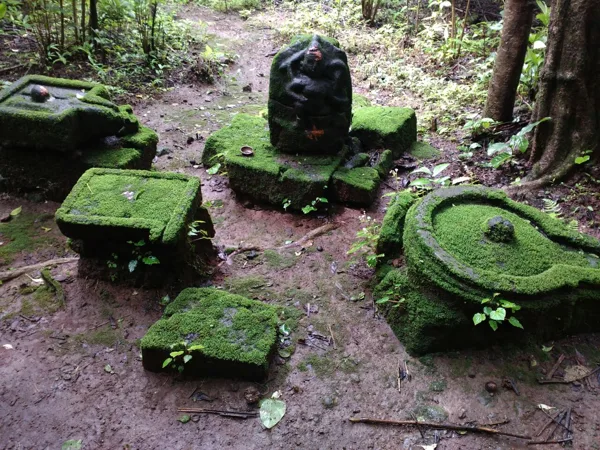
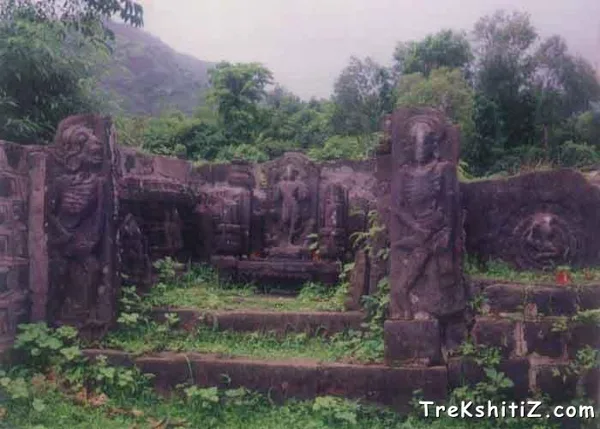
Temple remains is recorded in the linked account of Shivneri. Explore the historical sources ↗

02Gateways +

Gateways is recorded in the linked account of Shivneri. Explore the historical sources ↗

03Mosque +

Mosque is recorded in the linked account of Shivneri. Explore the historical sources ↗

04Caves +

Caves is recorded in the linked account of Shivneri. Explore the historical sources ↗

Feature inventory only. A surveyed top-down plan is not yet available in this guide.

KNOW THE APPROACH

Plan your
exploration.

Moderate
  • The source assigns this grade but does not provide enough route detail to explain individual obstacles.

To reach on fort Shivneri first we have to reach Junnar. Distance between Junnar Bus stand and Shivneri is 2 km by road.

Assessment & safety notes +

Approach described in the linked field guide. Provisional — source guide, current conditions unverified.

Check current local access and weather before travelling. Carry water, use established routes, and leave stonework undisturbed. A map pin identifies the monument, not a safe trailhead or landing point.

Source review: 2026-11-15. Stars describe route difficulty; recommendations are separate editorial judgements. No community review counts are displayed.

KEEP THE JOURNEY GOING

More of Pune.

All forts ↗

MAHARASHTRA TOURISM · BROCHURE GUIDE

Shivneri: heritage & nearby places

Shivneri is the birthplace of Chhatrapati Shivaji Maharaj. Its successive gates, water storage and Shivai Devi shrine make it an important place for understanding his early life and the defensive architecture around Junnar.

Landmarks to look for

  • Seven gates
  • Badami Talav
  • Shivai Devi Temple
  • Jijabai and young Shivaji statues
  • Ganga and Jamuna springs

Places in the wider area

  • Leopard rescue centre
  • Malshej Ghat
Travel distances from the brochure

Distances are reproduced as brochure figures, not current measured routes. The brochure is undated. Confirm routes and access locally.

By air
Pune 70 km; Nashik 105 km; Mumbai 106 km; Aurangabad 180 km
By rail
Rajapur 63 km; Pune 94 km
By road
Pune 94 km; Mumbai 155 km

Source clarification: The brochure conflates Shivkunj with the birth chamber and lists questionable rail/airport distances. These are preserved as brochure figures, not verified route advice. Kalsubai and Sandhan Valley are wider regional trips, not immediate fort attractions.

Adapted from Maharashtra Tourism, Guardians of History — The formidable forts of Maharashtra, PDF pages 3. Read the original PDF ↗ · Explore all brochure forts ↗

Research sources & image credits +
  1. Shivneri — history, geographical facts and references ↗
  2. Trekshitiz — field guide and source trek information ↗
  3. Maharashtra Tourism — Shivneri ↗

Source review: 2026-11-15. Coordinates: Source-referenced.

Research approach and credits ↗