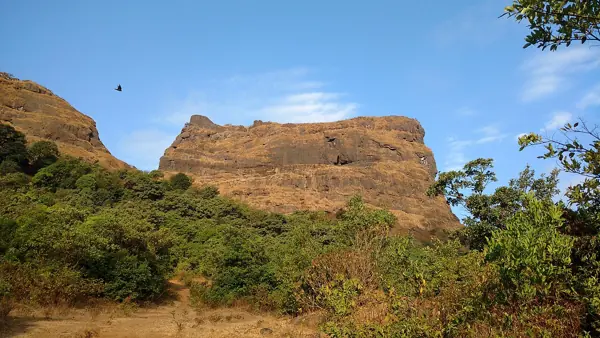
Torna Fort — documentary photograph

Pune / Hill fort

Torna Fort

तोरणा

Torna was among the earliest forts taken by Shivaji Maharaj, in 1646.

View 4 photographs ↘Documentary photograph
Sopan Patil · Original source · CC BY-SA 4.0

YOUR EXPLORATION, AT A GLANCE

ModerateVisit

A worthwhile local heritage study in Pune; consult the source account to understand the remains and confirm access.

View on map ⌖

District
Pune
Base / nearby village
Velhe
Nearby city
Pune
Source elevation
1400 m (field-guide source)

Closest among 11 listed regional hubs by straight-line distance; not road distance. 37 km to the listed city.

THE STORY BEHIND THE STONE

Why Torna Fort
matters.

Torna was among the earliest forts taken by Shivaji Maharaj, in 1646. Also known as Prachandagad, its commanding position and extensive mountain defences give it an important place in the beginnings of Swarajya.

Also known as Prachandagad

The historical source discusses Shivaji Maharaj; see the linked account for the specific episode.

Rulers & historical periods +

Mughal, Maratha

Recorded possession intervals may omit changes of control. Exact uninterrupted durations are not assumed from a ruler’s reign.

A PLACE WITHIN THE LARGER STORY

Turning points.
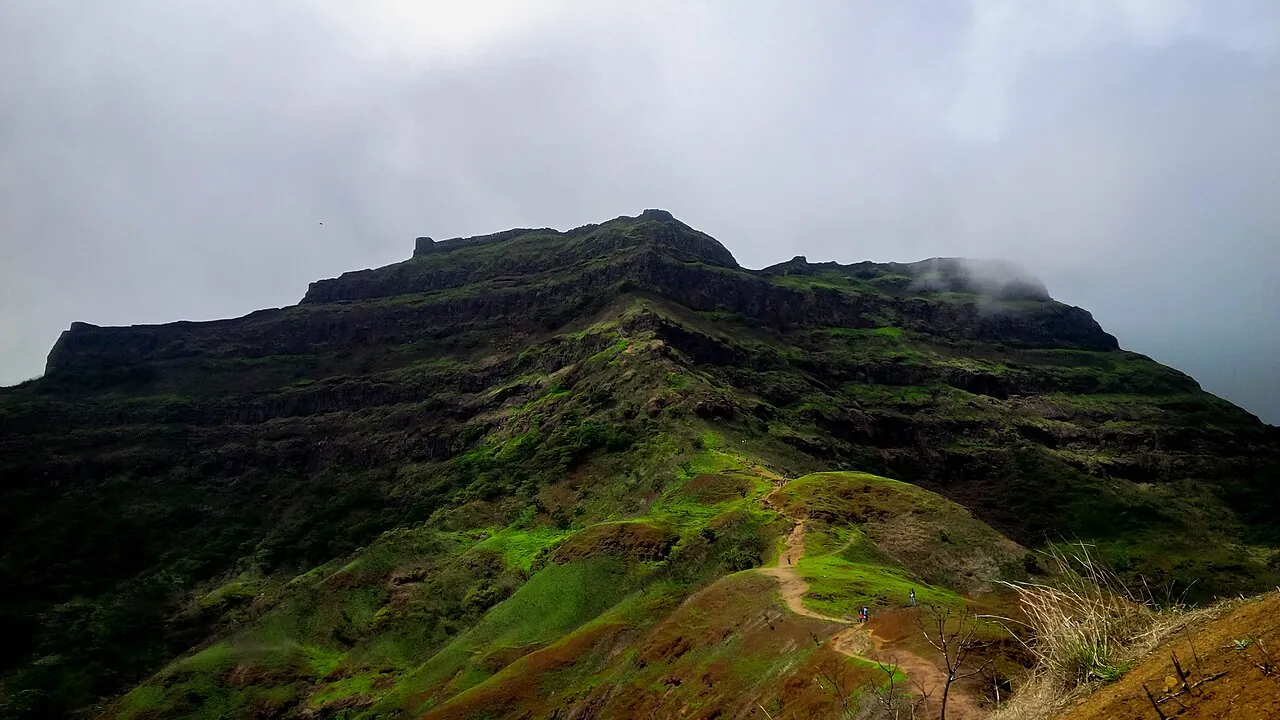
1646
Torna Fort — documentary photographExplore Torna Fort ↗

Foundations of Swarajya

Torna and the beginnings of Swarajya

Chhatrapati Shivaji Maharaj took Torna in 1646. It was one of the earliest foundations of his independent power. The hill is also known as Prachandagad. Its commanding position offered a strong defensive base. Torna connected the emerging state to the surrounding Maval landscape. Nearby Murumbdev developed into the capital fort of Rajgad. These strongholds supported administration as well as military operations. Their gateways, water stores and defended spurs reveal practical planning. The early acquisitions preceded the coronation of 1674 by decades. Torna remains an important place for understanding how Swarajya began.
Read full story

The acquisition of Torna in 1646 belongs to the formative phase of Chhatrapati Shivaji Maharaj’s career. Before there was a coronation or an established royal capital at Raigad, control of a defensible hill could provide a secure centre from which to organise territory. Torna, also called Prachandagad, became one of the first major strongholds associated with the emerging Swarajya. Its importance is therefore political as well as military: it marks an early assertion of authority within a region where larger Deccan powers already competed.

The fort should be understood with its surrounding valleys and neighbouring strongholds. A hilltop did not function alone. Supplies, people and information had to move between settlements, agricultural land, passes and the defended summit. Nearby Rajgad, previously Murumbdev, developed as a headquarters and later a capital. Looking at the two forts together helps explain why the early Maratha state invested in a connected landscape rather than a single isolated monument.

The surviving shape of Torna also makes its historical role easier to imagine. Long spurs, steep approaches and a large summit required decisions about where to place defences and how to maintain water and provisions. These are features to study alongside accounts of conquest. They show the continuing labour of building, repairing and provisioning that followed a change of control.

Later traditions tell stories of treasure found at Torna and used at Rajgad. Such traditions are part of the fort’s cultural memory, but they should not replace dated evidence for the early acquisitions. Nor should the events of 1646 be described as a coronation: the formal royal ceremony at Raigad came in 1674. Torna’s enduring significance lies in the earlier process of establishing a durable territorial base.

Torna Fort ↗Rajgad ↗

Sources: Maharashtra Tourism — Torna, Poona Gazetteer — early Maratha history, Torna Fort — source article and references

READING THE REMAINS

Architecture &
fort features.

Explore features described in the historical source. Their surviving condition and access can vary.

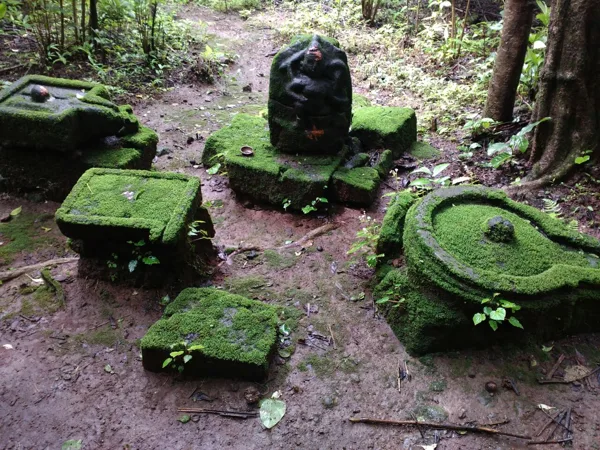
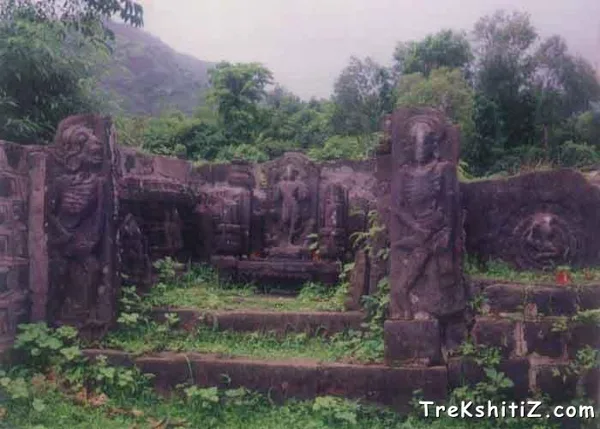
01Temple remains +

Temple remains is recorded in the linked account of Torna Fort. Explore the historical sources ↗

Feature inventory only. A surveyed top-down plan is not yet available in this guide.

KNOW THE APPROACH

Plan your
exploration.

Moderate
  • The source assigns this grade but does not provide enough route detail to explain individual obstacles.

Detailed routes are not verified. Consult the source guide and confirm access locally.

Assessment & safety notes +

Approach described in the linked field guide. Provisional — source guide, current conditions unverified.

Check current local access and weather before travelling. Carry water, use established routes, and leave stonework undisturbed. A map pin identifies the monument, not a safe trailhead or landing point.

Source review: 2026-11-15. Stars describe route difficulty; recommendations are separate editorial judgements. No community review counts are displayed.

KEEP THE JOURNEY GOING

More of Pune.

All forts ↗
Research sources & image credits +
  1. Torna Fort — history, geographical facts and references ↗
  2. Trekshitiz — field guide and source trek information ↗

Source review: 2026-11-15. Coordinates: Source-referenced.

Research approach and credits ↗