THE STORY BEHIND THE STONE
Why Vasai Fort
matters.
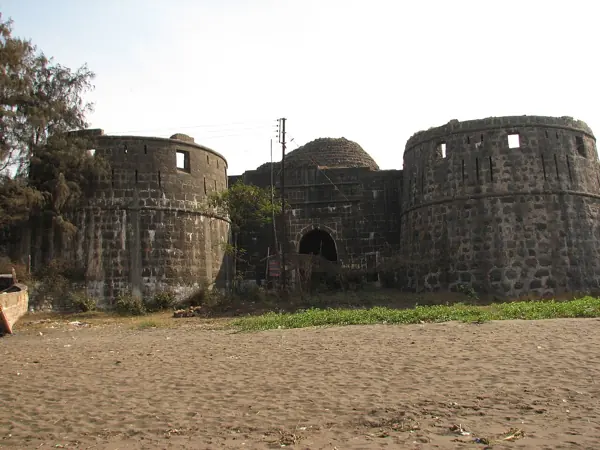
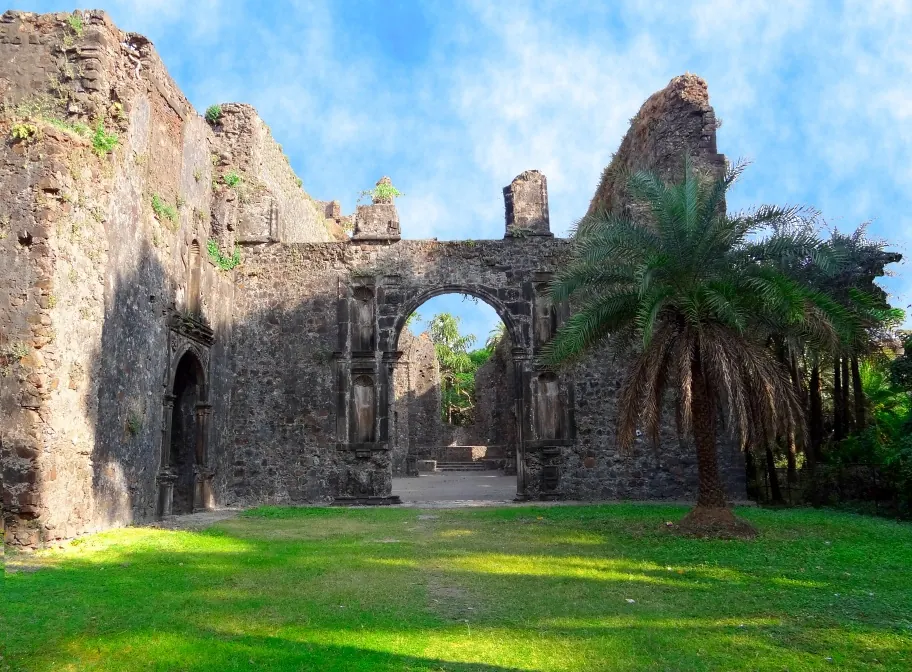
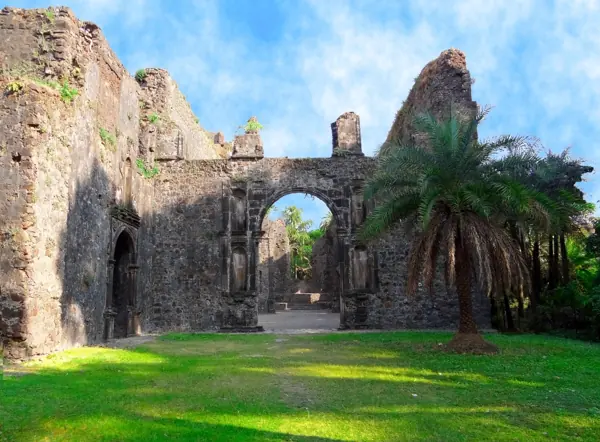
The Portuguese developed Vasai, or Bassein, as a major fortified settlement on the north Konkan coast. Maratha forces under Chimaji Appa captured it in 1739. Surviving churches, walls and gateways reflect the scale of the former town.
Also known as Bassein
Rulers & historical periods +
Portuguese
Yadava dynasty (-1432) Gujarat Sultanate (1432-1533) Portugal (1534-1739) Maratha Empire (1739-1818) East India Company (1818-1857) British Raj (1857-1947) India (1947-) Archaeological Survey Of India (source infobox; intervals are approximate and may omit changes of possession)
Recorded possession intervals may omit changes of control. Exact uninterrupted durations are not assumed from a ruler’s reign.
A PLACE WITHIN THE LARGER STORY
Turning points.
 Explore Vasai Fort ↗
Expansion across India
The capture of Vasai
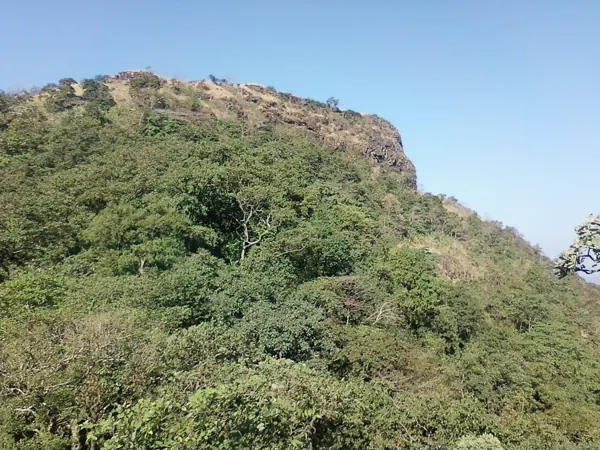
The Battle of Vasai or the Battle of Bassein was fought between the Maratha Empire and the Portuguese rulers of Vasai, a town near Mumbai in the Konkan region of the present-day state of Maharashtra, India. The Marathas were led by Chimaji Appa, a brother of Peshwa Baji Rao I. By 1736, the Portuguese had been at work for four years constructing the fortress of Thana, and aside from the long delays, the workers were unpaid and unfed. Bhavangad Fort was built by Shrimant Chimaji Appa Peshave to capture the Fort Bassein by Maratha Army, and most of the secret activities were done at Bhavangad fort. After the war of 1737-39, Chimaji Appa and his Maratha soldiers took the church bells from Vasai as memorabilia and installed them in various Hindu temples of Maharashtra; some of the bells they installed in the Khandoba Temple of Jejuri and the Tulja Bhavani Temple of Osmanabad. These church bells are still present in these temples. The garrison of Baçaim, thanks to the reinforcements received from Goa, was of about 1,200 soldiers, among Portuguese and Indian auxiliaries. The siege of Baçaim began on 17 February 1739. All the Portuguese outposts around the major fort at Baçaim had been taken. Their supply routes from the north and south had been blocked, and with the English manning the seas, even that route was unreliable.