THE STORY BEHIND THE STONE
Why Vishalgad
matters.
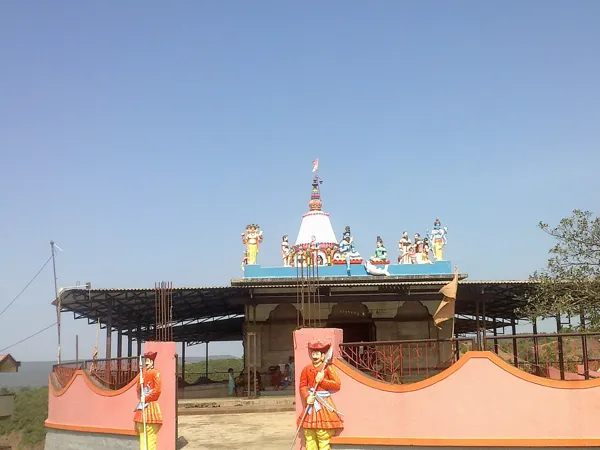
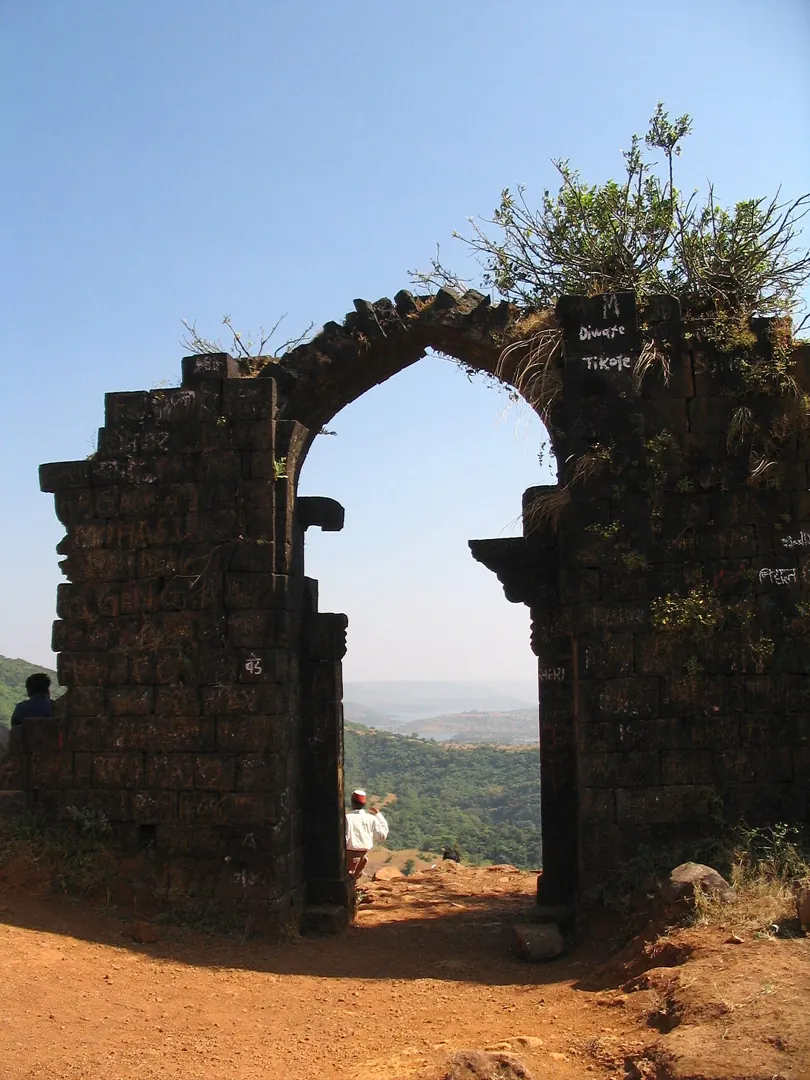
Known earlier as Khelna, Vishalgad has a history that includes Shilahara, Yadava and later Deccan powers. Its connection with Shivaji Maharaj’s escape from Panhala in 1660 gives it an important place in Maratha memory.
Also known as Khelna
Rulers & historical periods +
Shilahara, Yadava
Shilahara dynasty (1178–1216) Yadavas of Devagiri (1216–1317) Surve Dynasty (1317–1471) Bahamani Sultanate (1471–1525) Bijapur Sultanate (1525–1660) Maratha Empire (1660–1689; 1707–1818) Mughal Empire (1689–1707) East India Company (1818–1858) British Empire (1858–1947) Government of India (1947–present) (source infobox; intervals are approximate and may omit changes of possession)
Recorded possession intervals may omit changes of control. Exact uninterrupted durations are not assumed from a ruler’s reign.
A PLACE WITHIN THE LARGER STORY
Turning points.
 Explore Panhala Fort ↗
The kingdom takes shape
From Panhala to Vishalgad
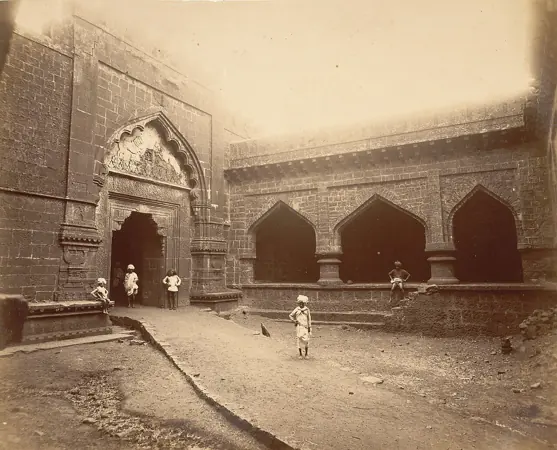
Chhatrapati Shivaji Maharaj held Panhala after the campaign of 1659. In 1660, Bijapur forces under Siddi Jauhar besieged the fort. The prolonged siege restricted movement and threatened his position. He escaped from Panhala and made for Vishalgad. The withdrawal depended on the efforts of accompanying Maratha troops. Baji Prabhu Deshpande helped hold back the pursuing forces. He died in the fighting associated with the pass now called Pavan Khind. Chhatrapati Shivaji Maharaj reached the refuge of Vishalgad. Panhala later returned to Maratha control in 1673. The episode is remembered for leadership, loyalty and sacrifice.