THE STORY BEHIND THE STONE
Why Panhala Fort
matters.
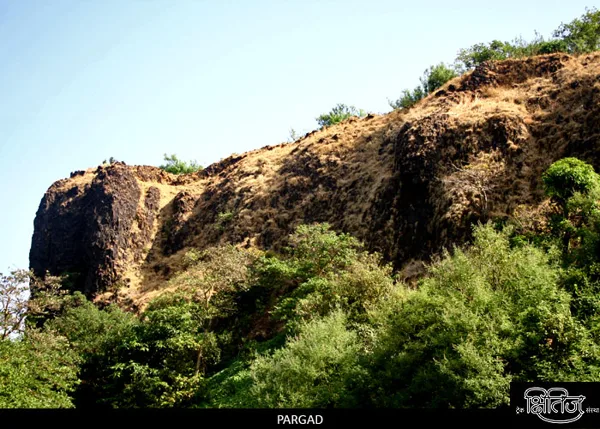
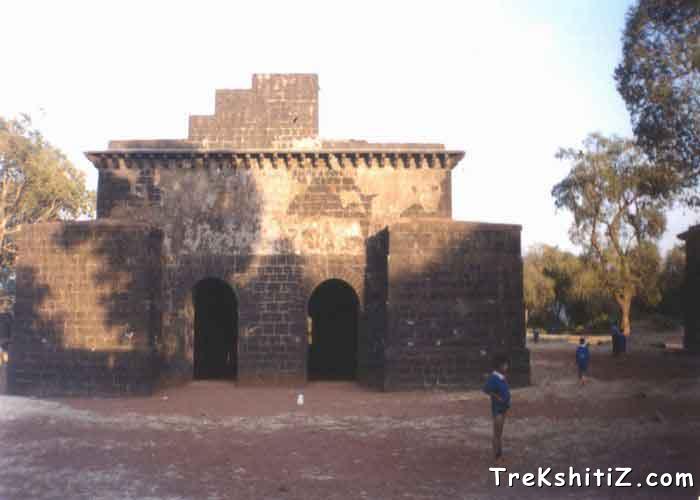
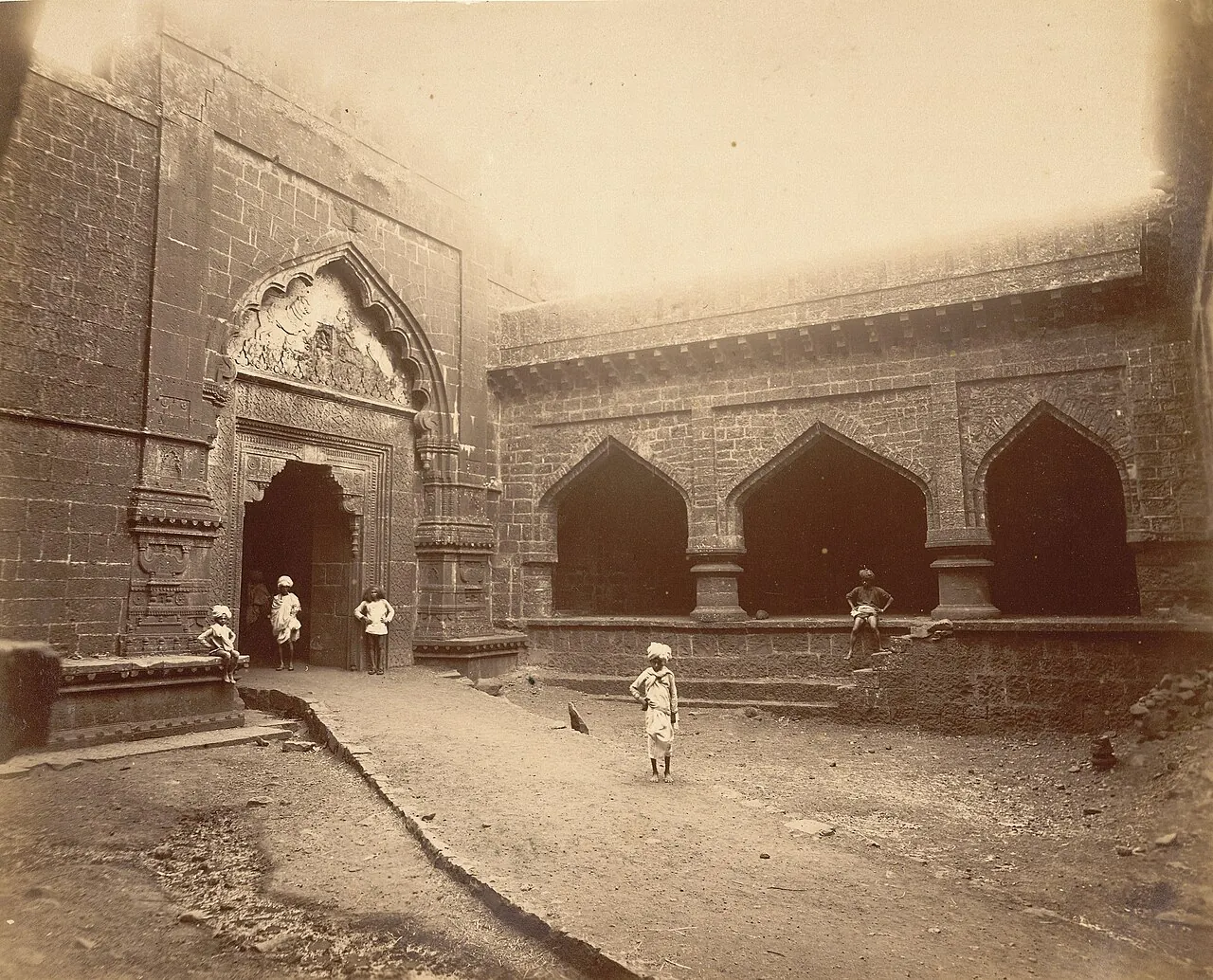
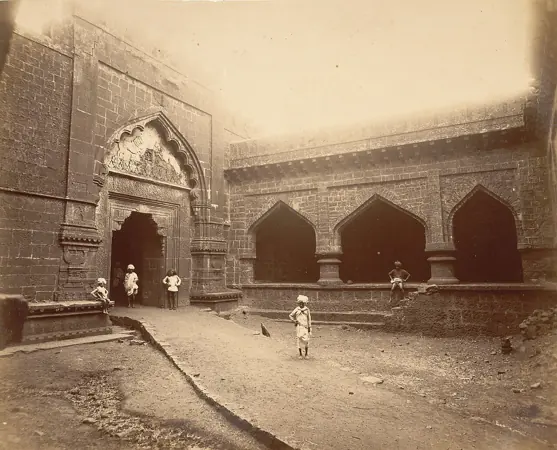
Panhala’s history extends from the Shilahara period through Deccan sultanate and Maratha rule. The siege of 1660 and Shivaji Maharaj’s escape are central episodes in its Maratha history. Granaries and gateways preserve evidence of its role as a major stronghold.
Rulers & historical periods +
Shilahara, Yadava, Bahmani, Adil Shahi / Bijapur
Recorded possession intervals may omit changes of control. Exact uninterrupted durations are not assumed from a ruler’s reign.
A PLACE WITHIN THE LARGER STORY
Turning points.
 Explore Panhala Fort ↗
The kingdom takes shape
From Panhala to Vishalgad
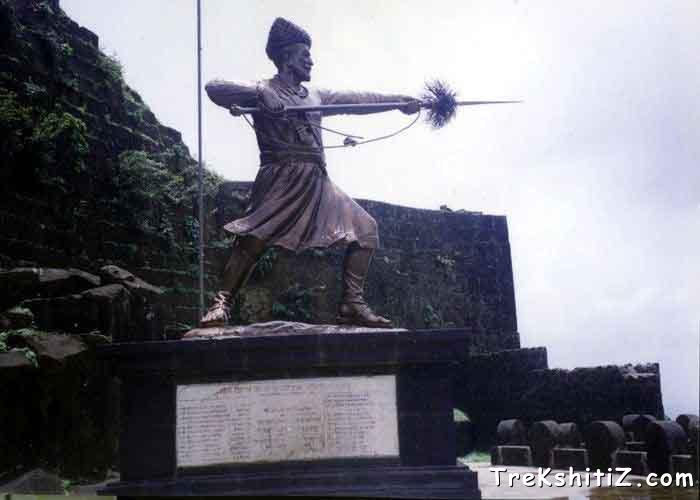
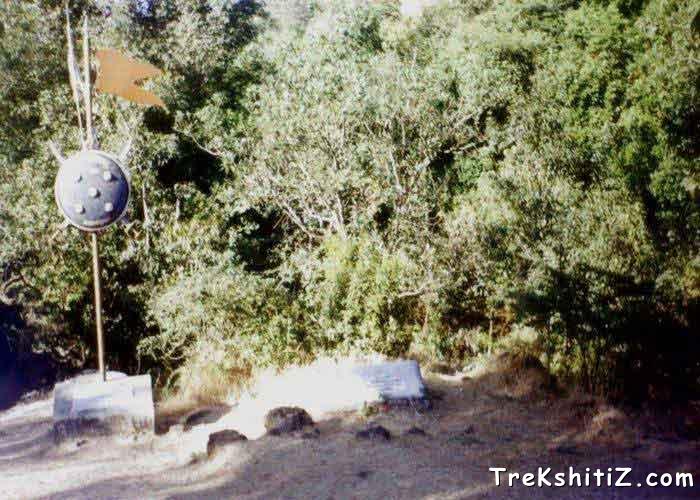
Chhatrapati Shivaji Maharaj held Panhala after the campaign of 1659. In 1660, Bijapur forces under Siddi Jauhar besieged the fort. The prolonged siege restricted movement and threatened his position. He escaped from Panhala and made for Vishalgad. The withdrawal depended on the efforts of accompanying Maratha troops. Baji Prabhu Deshpande helped hold back the pursuing forces. He died in the fighting associated with the pass now called Pavan Khind. Chhatrapati Shivaji Maharaj reached the refuge of Vishalgad. Panhala later returned to Maratha control in 1673. The episode is remembered for leadership, loyalty and sacrifice.
Read full story
Explore Panhala Fort ↗The kingdom takes shape
The recovery of Panhala
Chhatrapati Shivaji Maharaj recovered Panhala in 1673, after the fort had passed to Bijapur following the siege of 1660. Under these circumstances, Chhatrapati Shivaji Maharaj decided that escape was the only option. He gathered a small number of soldiers along with his trusted commander Baji Prabhu Deshpande and, on 13 July 1660, they escaped in the dead of night to flee to Vishalgad. Baji Prabhu and a barber, Shiva Kashid, who looked like Shivaji, kept the enemy engaged, giving them an impression that Shiva Kashid was actually Chhatrapati Shivaji Maharaj. In the ensuing battle, almost three quarters of the one thousand strong force died, including Baji Prabhu himself. The fort went to Adil Shah. It was not until 1673 that Chhatrapati Shivaji Maharaj could occupy it permanently.
Read full story
 Explore Raigad ↗
Resistance and endurance
Chhatrapati Sambhaji Maharaj: kingship and resistance
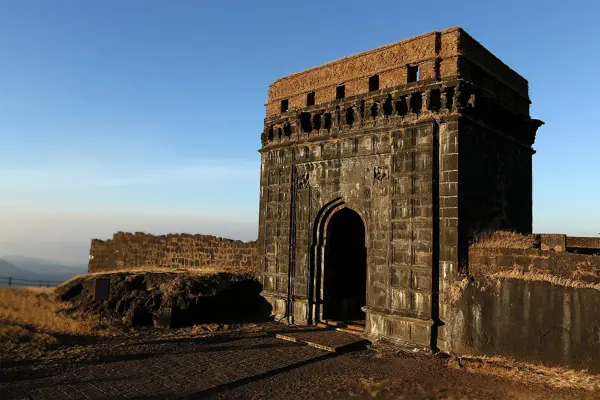
Chhatrapati Sambhaji Maharaj was born at Purandar in 1657. He succeeded Chhatrapati Shivaji Maharaj after the crisis of 1680. His formal coronation at Raigad took place in January 1681. He carried responsibility for the Maratha state during intense warfare. Aurangzeb’s arrival in the Deccan brought sustained Mughal pressure. The kingdom also faced challenges along its western coast. Forts, commanders and supply systems sustained resistance across several fronts. His reign cannot be understood through battles alone. He was captured and executed in 1689. His life remains an enduring part of Maharashtra’s memory of courage and duty.