THE STORY BEHIND THE STONE
Why Tikona
matters.
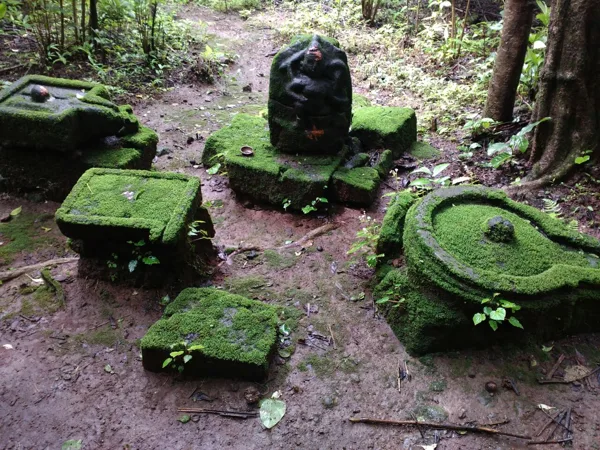
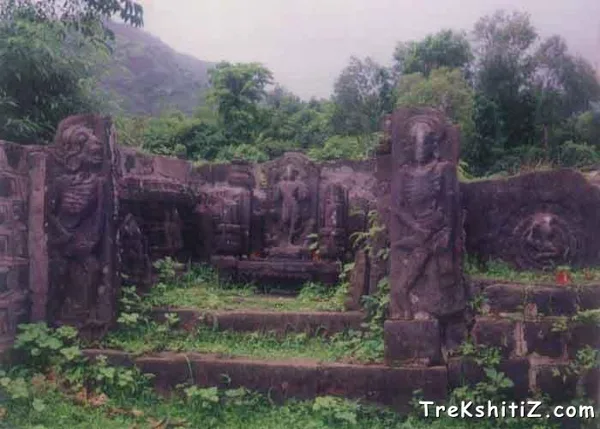
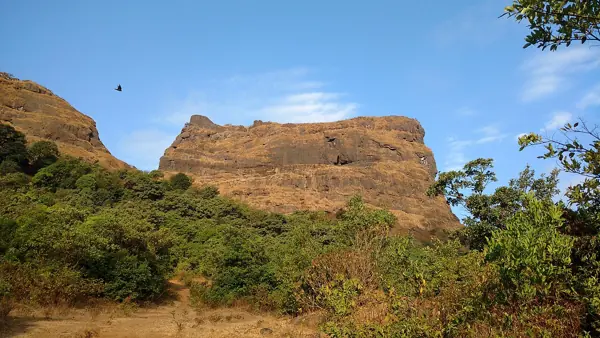
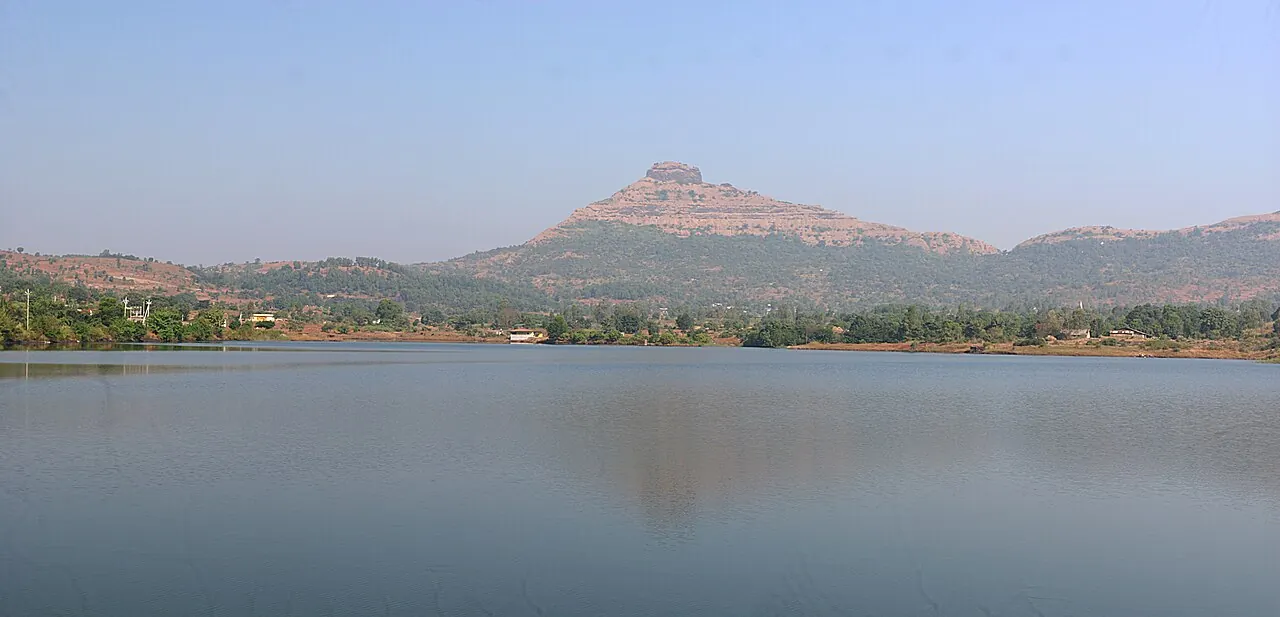
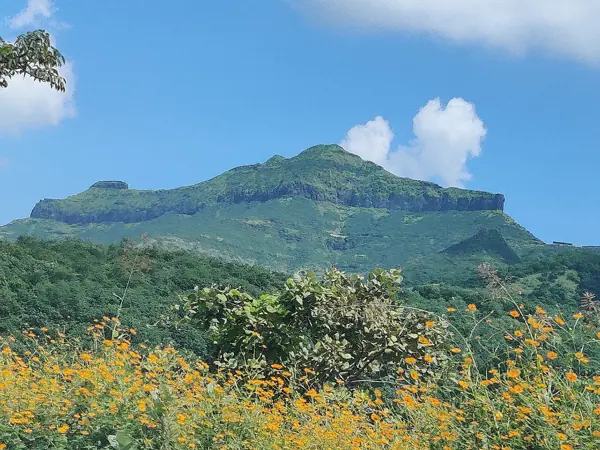
Tikona is a compact hill fort overlooking the Pawna landscape. Its triangular profile, rock-cut approach and surviving gateways illustrate the use of the Sahyadri ridges for defence. Its history includes Nizam Shahi and Maratha associations; exact early dates require further specialist verification.
The historical source discusses Shivaji Maharaj; see the linked account for the specific episode.
Rulers & historical periods +
Nizam Shahi, Mughal, Maratha, British / East India Company
Recorded possession intervals may omit changes of control. Exact uninterrupted durations are not assumed from a ruler’s reign.
A PLACE WITHIN THE LARGER STORY
Turning points.
 Explore Purandar fort ↗
The kingdom takes shape
Purandar: resistance and diplomacy
Mughal forces campaigned against Chhatrapati Shivaji Maharaj in 1665. Mirza Raja Jai Singh directed the campaign, with Diler Khan at Purandar. Murarbaji Deshpande is remembered for his defence of the fort. He lost his life during the fighting. Pressure on Purandar contributed to negotiations. The Treaty of Purandar required the transfer of twenty-three forts. Chhatrapati Shivaji Maharaj retained twelve forts, including Rajgad. Several surrendered strongholds were recovered in later campaigns. Purandar therefore represents diplomacy as well as armed resistance. Its history shows that Swarajya developed through changing circumstances.