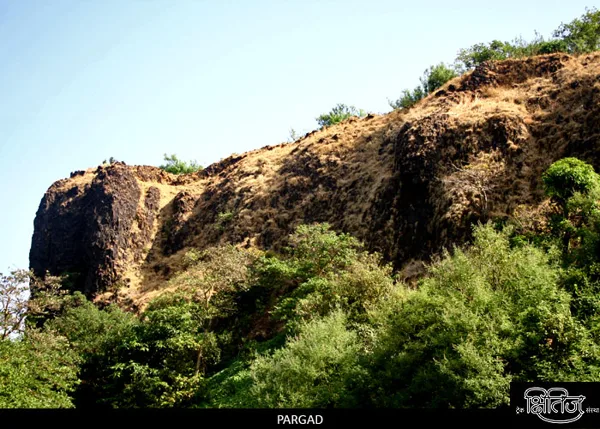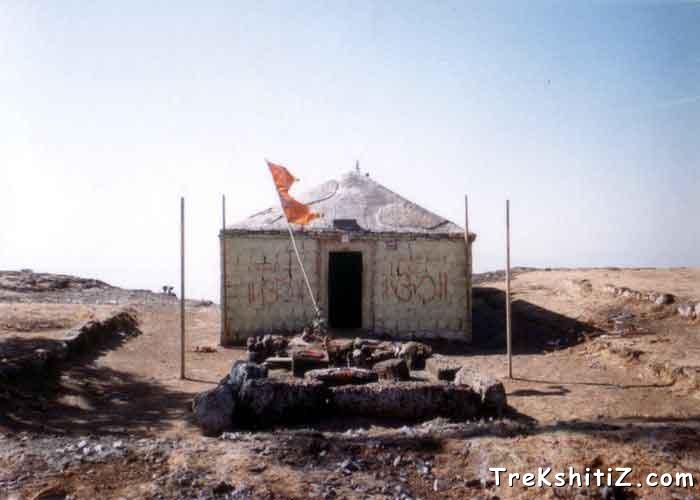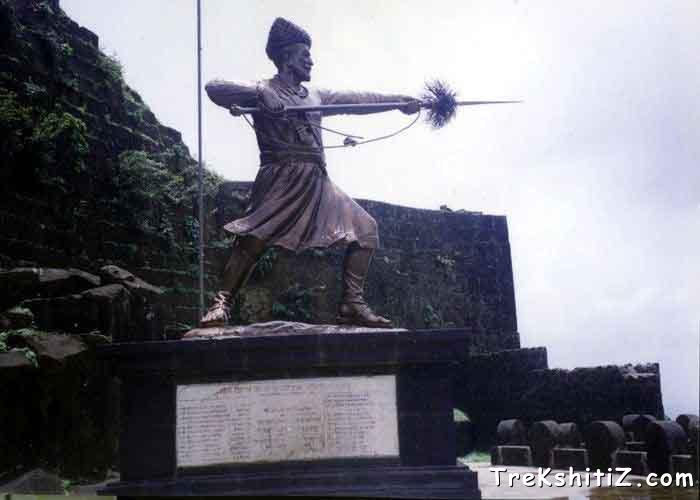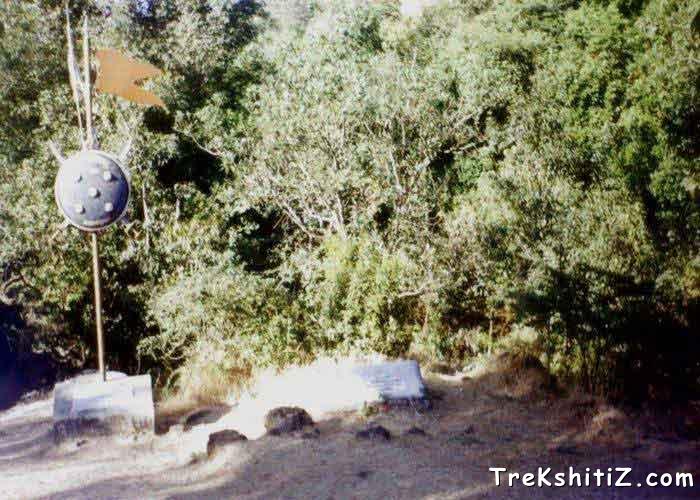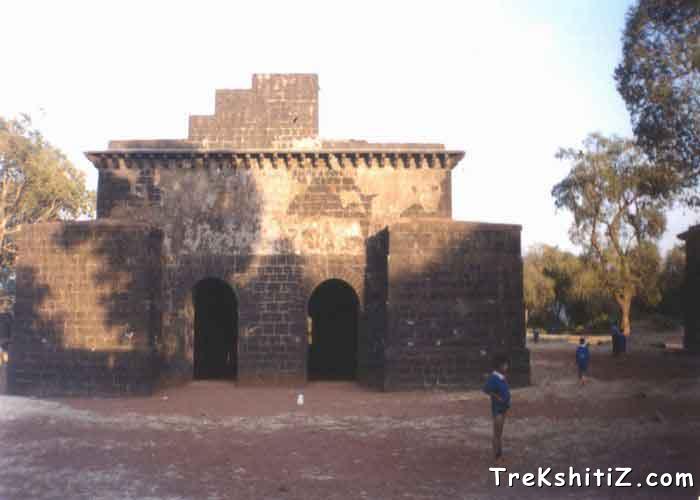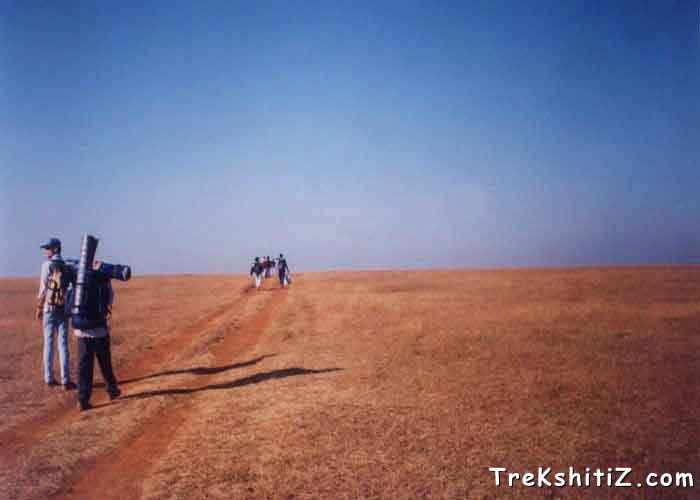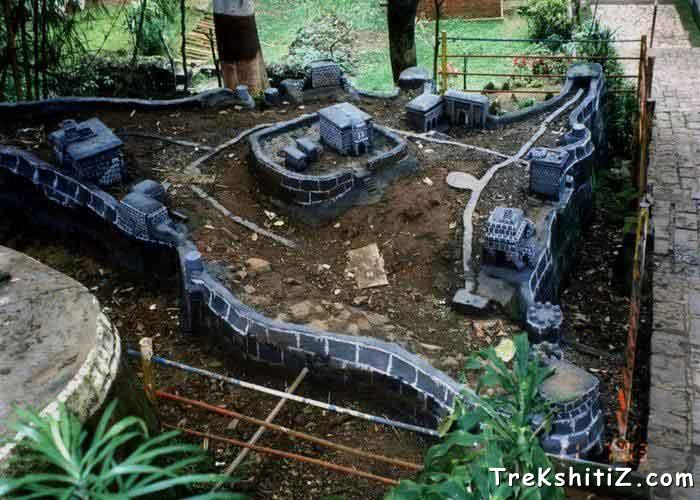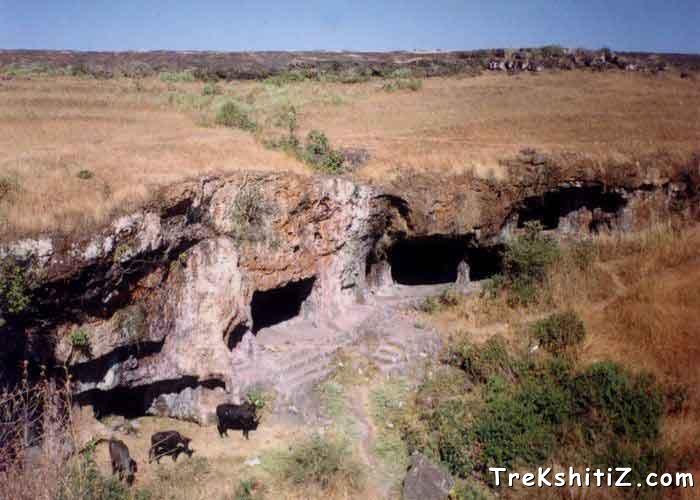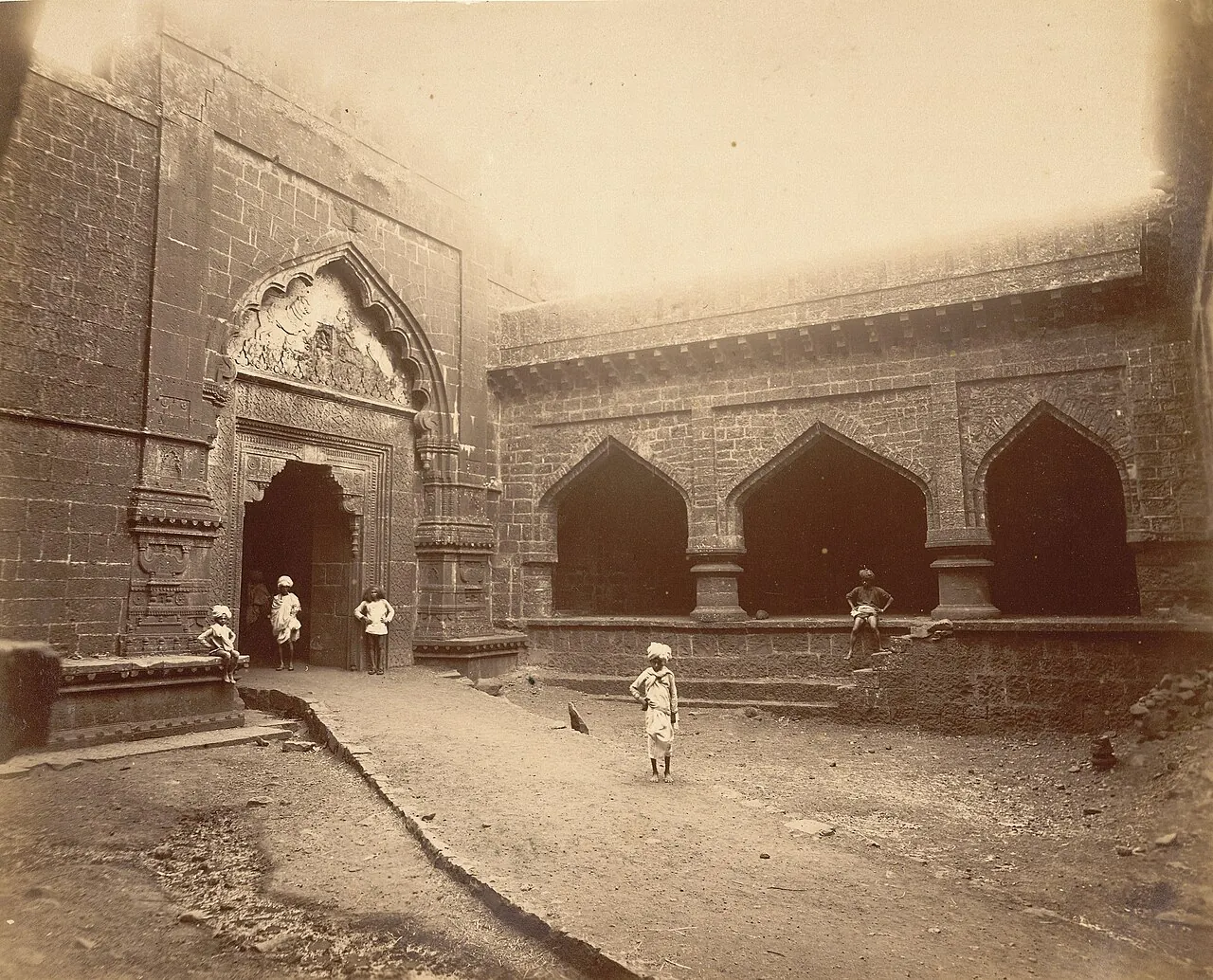
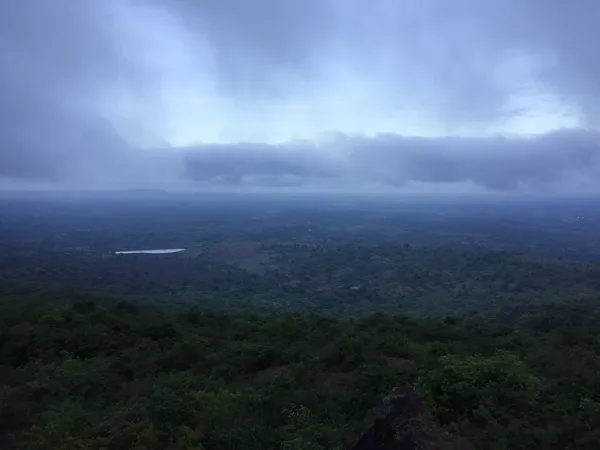
Panhala Fort — documentary photograph

Kolhapur / Hill fort

Panhala Fort

पन्हाळा

Panhala’s history extends from the Shilahara period through Deccan sultanate and Maratha rule.

View 9 photographs ↘Documentary photograph
Unknown authorUnknown author · Original source · Public domain

YOUR EXPLORATION, AT A GLANCE

Difficulty Not Yet VerifiedMost Recommended

Its documented role in the Maratha fort network gives it exceptional educational and historical value.

View on map ⌖

District
Kolhapur
Base / nearby village
Not yet verified
Nearby city
Kolhapur
Source elevation
845 m (2,772 ft) ASL

Closest among 11 listed regional hubs by straight-line distance; not road distance. 18 km to the listed city.

THE STORY BEHIND THE STONE

Why Panhala Fort
matters.

Panhala’s history extends from the Shilahara period through Deccan sultanate and Maratha rule. The siege of 1660 and Shivaji Maharaj’s escape are central episodes in its Maratha history. Granaries and gateways preserve evidence of its role as a major stronghold.

Rulers & historical periods +

Shilahara, Yadava, Bahmani, Adil Shahi / Bijapur

Recorded possession intervals may omit changes of control. Exact uninterrupted durations are not assumed from a ruler’s reign.

A PLACE WITHIN THE LARGER STORY

Turning points.
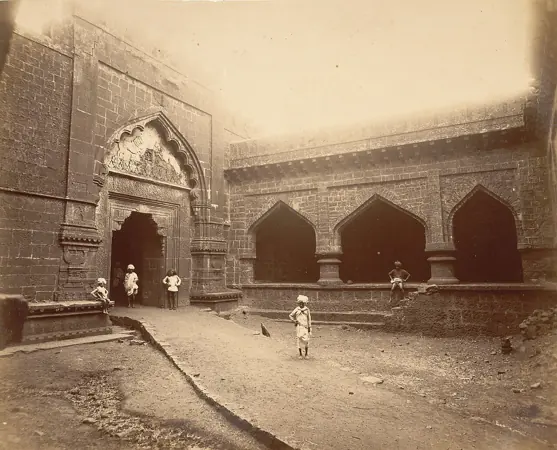
1660
Panhala Fort — documentary photographExplore Panhala Fort ↗

The kingdom takes shape

From Panhala to Vishalgad

Chhatrapati Shivaji Maharaj held Panhala after the campaign of 1659. In 1660, Bijapur forces under Siddi Jauhar besieged the fort. The prolonged siege restricted movement and threatened his position. He escaped from Panhala and made for Vishalgad. The withdrawal depended on the efforts of accompanying Maratha troops. Baji Prabhu Deshpande helped hold back the pursuing forces. He died in the fighting associated with the pass now called Pavan Khind. Chhatrapati Shivaji Maharaj reached the refuge of Vishalgad. Panhala later returned to Maratha control in 1673. The episode is remembered for leadership, loyalty and sacrifice.

Read full story

Panhala was a major stronghold in the southern Deccan before it entered Maratha history. Its broad summit, stores and position above routes connecting the inland plateau with the Konkan made it a valuable possession. Chhatrapati Shivaji Maharaj acquired it after the successes of 1659. In the following year, the Bijapur commander Siddi Jauhar brought a large force against him and established a prolonged siege.

The central problem was movement. A defended fort could protect its occupants, but a close siege also limited their ability to act elsewhere. Chhatrapati Shivaji Maharaj escaped and moved towards Vishalgad. During the pursuit, Baji Prabhu Deshpande and the men with him resisted the pursuing troops at a narrow pass. Baji Prabhu died in that fighting, which is remembered through the name Pavan Khind. The withdrawal allowed Chhatrapati Shivaji Maharaj to reach another stronghold and continue directing the struggle.

This episode is especially useful for understanding a network of forts. Panhala and Vishalgad were not interchangeable buildings; their value depended on routes between them, the condition of those routes and the people able to defend them. The memory of Baji Prabhu and the accompanying soldiers also reminds visitors that royal history depended on collective effort. Individual leadership and the service of commanders, garrisons and local supporters were closely connected.

The escape did not mean that Panhala had become permanently secure. It passed out of Maratha possession and was recovered in 1673. That later recovery belongs to a separate campaign, not to the escape itself. Dates and details in popular retellings vary, so the site presents the established sequence without treating every dramatic tradition as a contemporary record. The lasting importance of the event is the survival of leadership through a difficult military situation and the sacrifice remembered along the route.

Panhala Fort ↗Vishalgad ↗

Sources: Kolhapur Gazetteer — Panhala siege and recovery, Maharashtra Tourism — Panhala, Incredible India — Panhala Fort

1673
Panhala Fort — documentary photographExplore Panhala Fort ↗

The kingdom takes shape

The recovery of Panhala

Chhatrapati Shivaji Maharaj recovered Panhala in 1673, after the fort had passed to Bijapur following the siege of 1660. Under these circumstances, Chhatrapati Shivaji Maharaj decided that escape was the only option. He gathered a small number of soldiers along with his trusted commander Baji Prabhu Deshpande and, on 13 July 1660, they escaped in the dead of night to flee to Vishalgad. Baji Prabhu and a barber, Shiva Kashid, who looked like Shivaji, kept the enemy engaged, giving them an impression that Shiva Kashid was actually Chhatrapati Shivaji Maharaj. In the ensuing battle, almost three quarters of the one thousand strong force died, including Baji Prabhu himself. The fort went to Adil Shah. It was not until 1673 that Chhatrapati Shivaji Maharaj could occupy it permanently.

Read full story
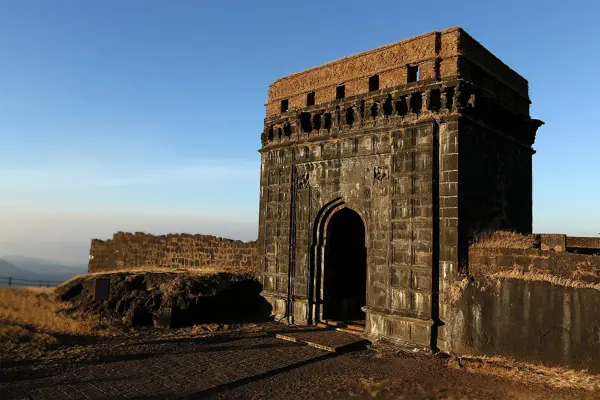
Adapted source account from the linked Wikipedia article (CC BY-SA 4.0). Parenthetical material and citation markers have been omitted.

Chhatrapati Shivaji Maharaj recovered Panhala in 1673, after the fort had passed to Bijapur following the siege of 1660. Under these circumstances, Chhatrapati Shivaji Maharaj decided that escape was the only option. He gathered a small number of soldiers along with his trusted commander Baji Prabhu Deshpande and, on 13 July 1660, they escaped in the dead of night to flee to Vishalgad.

Baji Prabhu and a barber, Shiva Kashid, who looked like Shivaji, kept the enemy engaged, giving them an impression that Shiva Kashid was actually Chhatrapati Shivaji Maharaj. In the ensuing battle, almost three quarters of the one thousand strong force died, including Baji Prabhu himself. The fort went to Adil Shah. It was not until 1673 that Chhatrapati Shivaji Maharaj could occupy it permanently.

Consult the original article and its cited historical works for source evidence and differing interpretations. The timeline date identifies the event or beginning of the period; this account may cover a longer span.

Panhala Fort ↗

Sources: Panhala Fort — historical account and references, Contributor history and attribution, CC BY-SA 4.0 — adapted source extract

1681–1689
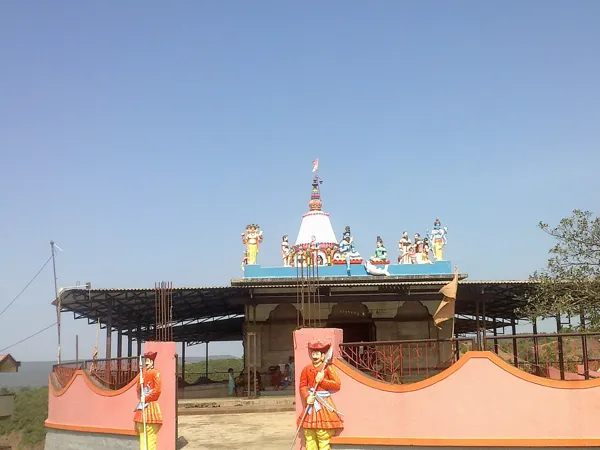
Raigad — documentary photographExplore Raigad ↗

Resistance and endurance

Chhatrapati Sambhaji Maharaj: kingship and resistance

Chhatrapati Sambhaji Maharaj was born at Purandar in 1657. He succeeded Chhatrapati Shivaji Maharaj after the crisis of 1680. His formal coronation at Raigad took place in January 1681. He carried responsibility for the Maratha state during intense warfare. Aurangzeb’s arrival in the Deccan brought sustained Mughal pressure. The kingdom also faced challenges along its western coast. Forts, commanders and supply systems sustained resistance across several fronts. His reign cannot be understood through battles alone. He was captured and executed in 1689. His life remains an enduring part of Maharashtra’s memory of courage and duty.
Read full story

Chhatrapati Sambhaji Maharaj inherited a substantial but contested state. Born at Purandar in 1657, he had grown up within the political world created by Chhatrapati Shivaji Maharaj. After his father’s death in 1680, a succession struggle preceded his establishment as ruler. The formal coronation at Raigad took place in January 1681. Some accounts give different day dates, so the month and year are used here rather than presenting that disagreement as settled.

His reign coincided with a particularly demanding phase of the Mughal–Maratha conflict. Aurangzeb brought the imperial court and army into the Deccan, making warfare prolonged and geographically extensive. The Maratha state also dealt with the Siddis and Portuguese on the coast. Decisions about armies, supplies, diplomacy and the protection of territory were therefore connected across several fronts. A ruler could not be physically present at every fort that resisted an attack.

The forts mattered as places for garrisons, stores, administration and communication. Their survival depended on commanders and communities as well as royal direction. Remembering Chhatrapati Sambhaji Maharaj’s contribution should include that work of maintaining a state under pressure, rather than relying on unsupported claims that no fort was ever lost or that every campaign ended in victory. Historical respect is compatible with recognising the difficulty and complexity of the circumstances.

He was captured at Sangameshwar in 1689 and executed by order of Aurangzeb. The Maratha struggle continued under Chhatrapati Rajaram Maharaj and later under Maharani Tarabai’s leadership. His death was therefore a profound rupture, but not the end of Maratha resistance. Raigad, Purandar and Panhala provide different points of entry into his life: royal capital, birthplace and a stronghold associated with the succession. Together they give his memory a fuller historical setting.

Raigad ↗Purandar fort ↗Panhala Fort ↗

Sources: Kolhapur Gazetteer — succession and January 1681 coronation, University of Mumbai — History of Medieval India, Sambhaji — biographical account and references, Sangli Gazetteer — capture and execution in 1689

READING THE REMAINS

Architecture &
fort features.

Explore features described in the historical source. Their surviving condition and access can vary.

01Bastions +

Bastions is recorded in the linked account of Panhala Fort. Explore the historical sources ↗

02Gateways +

Gateways is recorded in the linked account of Panhala Fort. Explore the historical sources ↗

03Palace remains +

Palace remains is recorded in the linked account of Panhala Fort. Explore the historical sources ↗

04Ramparts +

Ramparts is recorded in the linked account of Panhala Fort. Explore the historical sources ↗

Feature inventory only. A surveyed top-down plan is not yet available in this guide.

KNOW THE APPROACH

Plan your
exploration.

Difficulty Not Yet Verified
  • Reliable route evidence is insufficient for a numerical rating.

Detailed routes are not verified. Consult the source guide and confirm access locally.

Assessment & safety notes +

Not verified. Insufficient evidence.

Check current local access and weather before travelling. Carry water, use established routes, and leave stonework undisturbed. A map pin identifies the monument, not a safe trailhead or landing point.

Source review: 2026-11-15. Stars describe route difficulty; recommendations are separate editorial judgements. No community review counts are displayed.

KEEP THE JOURNEY GOING

More of Kolhapur.

All forts ↗

MAHARASHTRA TOURISM · BROCHURE GUIDE

Panhala Fort: heritage & nearby places

Panhala overlooks the Kolhapur region and preserves the legacy of several dynasties and the Maratha state. The brochure associates its early construction with Bhoja II and later control with the Yadavas, Bahmanis, Bijapur and Chhatrapati Shivaji Maharaj.

Landmarks to look for

  • Sajja Kothi
  • Ambarkhana
  • Tabak Udyan
  • Pusati Buruj
  • Teen Darwaja
  • Veer Shiva Kashid memorial

Places in the wider area

  • Pavangad
  • Vertical Adventure Park
  • Masai Pathar

Brochure activity ideas: Heritage walks; the brochure also advertises horse riding, zipline, climbing and other adventure activities.

Travel distances from the brochure

Distances are reproduced as brochure figures, not current measured routes. The brochure is undated. Confirm routes and access locally.

By air
Pune 230 km; Kolhapur 25 km; Mumbai 420 km
By rail
Kolhapur 27 km
By road
Kolhapur 20 km; Mumbai 375 km; Pune 230 km

Source clarification: The 1673 capture mentioned in the brochure was not the fort’s first Maratha capture. Adventure operators and current facilities are not verified.

Adapted from Maharashtra Tourism, Guardians of History — The formidable forts of Maharashtra, PDF pages 10, 11. Read the original PDF ↗ · Explore all brochure forts ↗

Research sources & image credits +
  1. Panhala Fort — history, geographical facts and references ↗

Source review: 2026-11-15. Coordinates: Source-referenced.

Research approach and credits ↗